Astronomy

Astronomy

Our Universe is amazing and full of cosmic mysteries and curious anomalies. Since the dawn of history, humans have gazed at the night sky and wondered what is really out there. Where can we find extraterrestrials? What would alien worlds look like? There is still so much we don’t know about the Universe.

In this section, we take you on a journey to distant worlds and explore the secrets of our universe. You’ll find here the latest astronomy news, remarkable facts about the cosmos and space mysteries scientists are still trying to solve.

Undead And Mythological Creatures Inspire New Names For Stars, Alien Planets

MessageToEagle.com – The people have spoken: 14 distant stars and 31 alien planets are getting new names that have been selected and voted on by members of the public. And those exoplanet names include some wild ones like Poltergeist, Thestias and even Quijote. Today (Dec. 15), the International Astronomical Union (IAU) announced the winners of its

Undead And Mythological Creatures Inspire New Names For Stars, Alien Planets Read More »
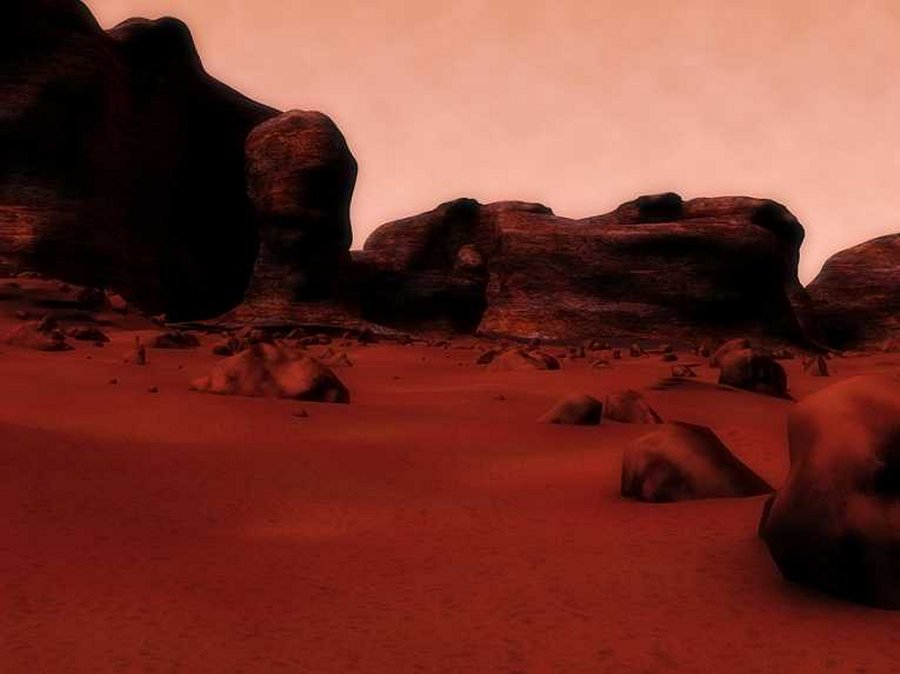
Red Planet. Credit: Mars surface illustration © Eraxion

Evidence Of Recent Clay Formation On Red Planet – Found

MessageToEagle.com – The research conducted by Brown University geologists Ralph Milliken and Vivian Sun, indicates that the clay formation on Mars should not be only related to the planet’s most ancient times. Most of that alteration is thought to have happened during the earliest part of Martian history, more than 3.7 billion years ago. However, there is

Evidence Of Recent Clay Formation On Red Planet – Found Read More »

Nemesis planet

Did “Dark Matter” Or A Star Called Nemesis Kill The Dinosaurs?

MessageToEagle.com – The dinosaur extinction 66m years ago was most likely caused by a comet or big asteroid hitting the Earth. But given that asteroids don’t actually hit our planet very often, could this really be the whole story? Many scientists are now asking whether some sort of cosmological event could have boosted the number

Did “Dark Matter” Or A Star Called Nemesis Kill The Dinosaurs? Read More »

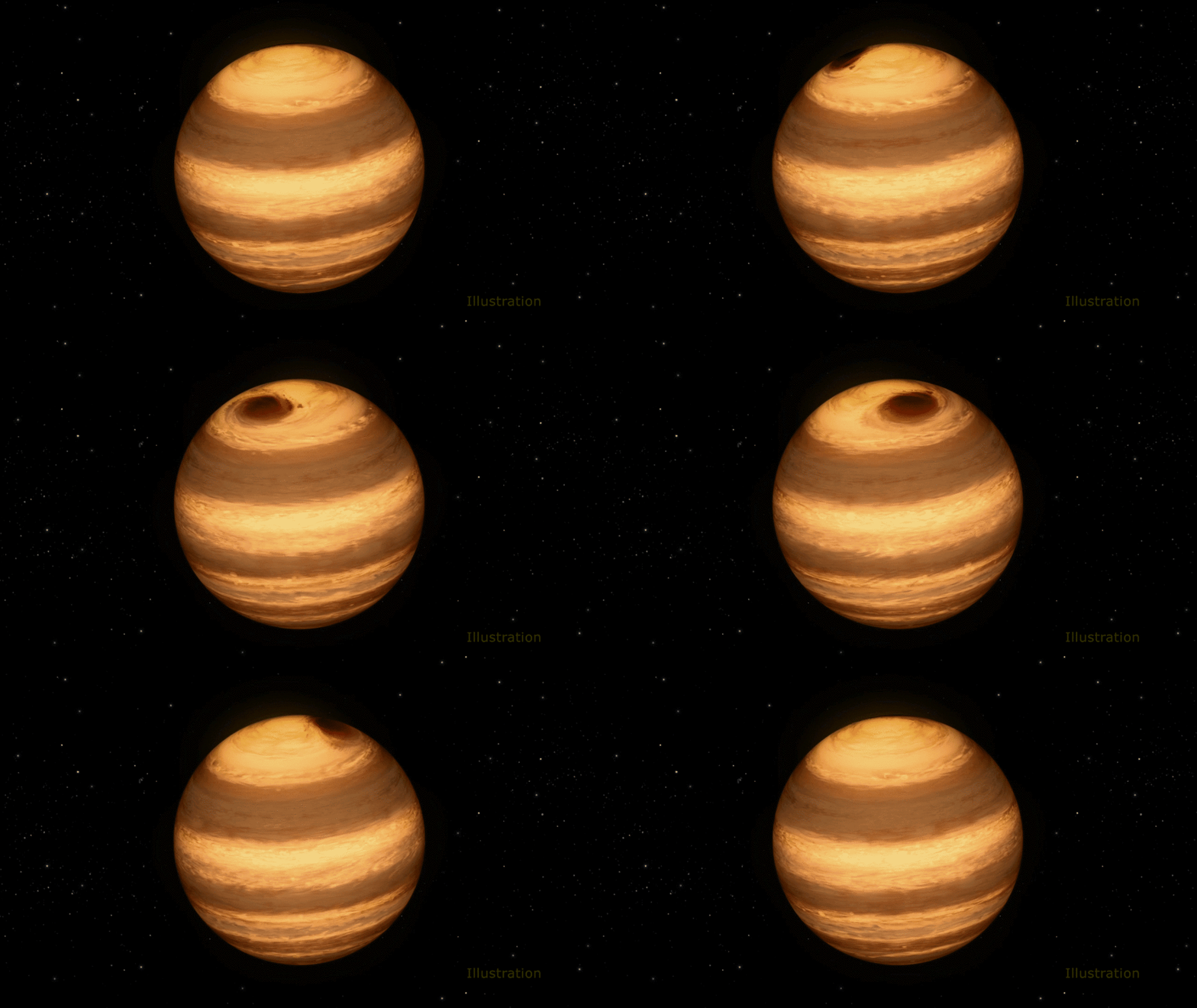
This illustration shows a cool star, called W1906+40, marked by a raging storm near one of its poles. The storm is thought to be similar to the Great Red Spot on Jupiter. Scientists discovered it using NASA's Kepler and Spitzer space telescopes. Credits: NASA/JPL-Caltech

Massive, Cloudy, Jupiter-Like Storm Discovered On Tiny Distant Star

MessageToEagle.com – Astronomers, using data from NASA’s Spitzer and Kepler space telescopes, have discovered a tiny star with a giant, cloudy storm, very similar to Jupiter’s Great Red Spot: a persistent, raging storm larger than Earth. While planets have been known to have cloudy storms, this is the best evidence yet for a star that has

Massive, Cloudy, Jupiter-Like Storm Discovered On Tiny Distant Star Read More »

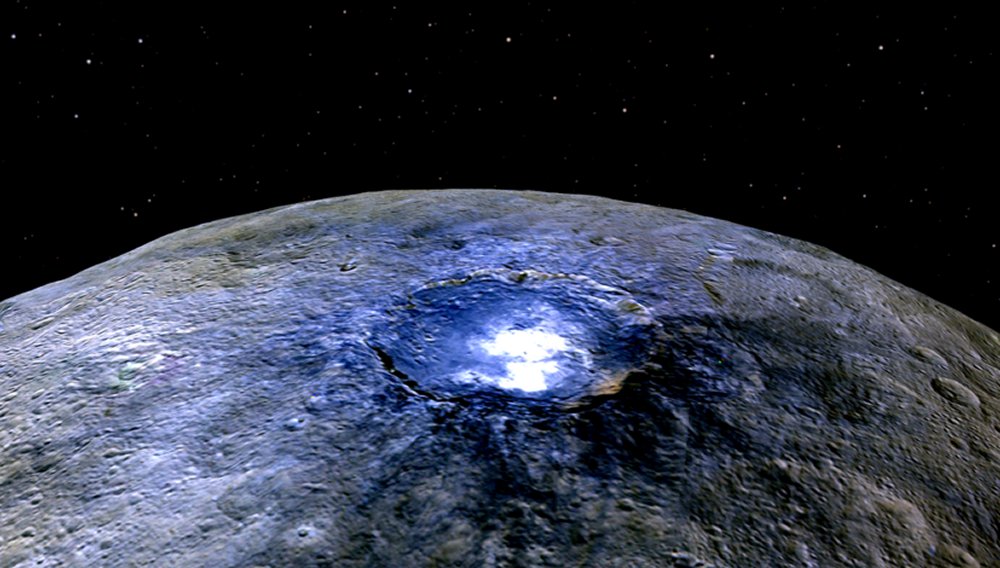
New Clues to Ceres' Bright Spots and Origins Dawn HAMO Image 73Occator in False Color Occator Crater in PerspectiveLateral View of Occator This representation of Ceres' Occator Crater in false colors shows differences in the surface composition. Image Credit: NASA/JPL-Caltech/UCLA/MPS/DLR/IDA

Ceres And Occator Crater Reveal Some Of Their Best-Kept Secrets

MessageToEagle.com – Ceres – a dwarf planet and the largest object in the asteroid belt, which lies between the orbits of Mars and Jupiter – reveals some of its well-kept secrets. Thanks to data delivered by NASA’s Dawn spacecraft, two new studies include highly anticipated insights about mysterious bright features found all over the dwarf planet’s

Ceres And Occator Crater Reveal Some Of Their Best-Kept Secrets Read More »

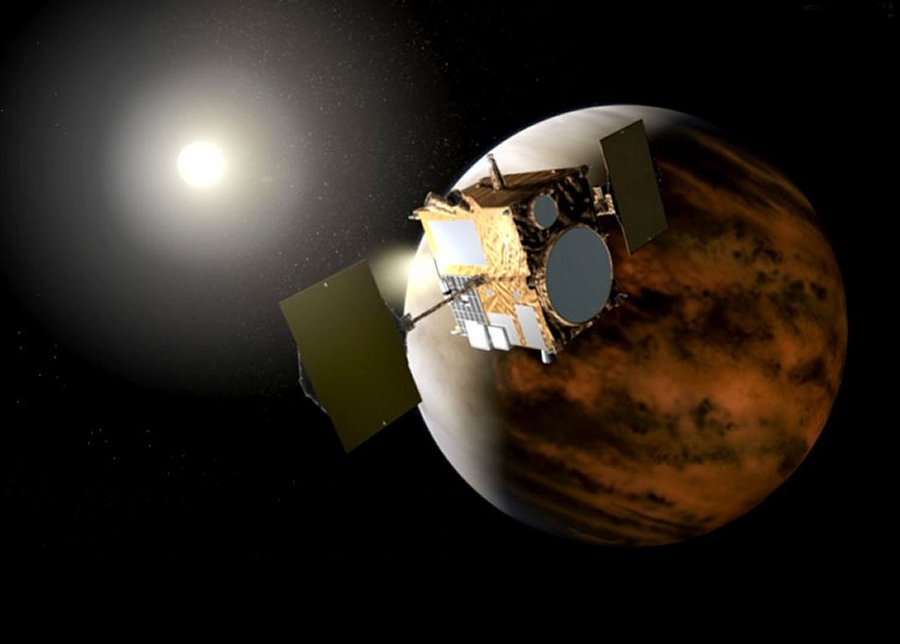
At about 7 p.m. EST on Sunday, Dec. 6, the Institute of Space and Astronautical Science (ISAS) of the Japan Aerospace Exploration Agency (JAXA) commanded the climate orbiter to fire four thrusters, aimed at nudging the spacecraft into orbit around Venus. About a half hour later, JAXA/ISAS announced that the small probe had successfully achieved an elliptical orbit around Venus. Image: JAXA

NASA Scientists Applaud Japanese Spacecraft Akatsuki’s Successful Rendezvous With Venus

MessageToEagle.com – The nail-biting maneuver that sent Japan’s Akatsuki spacecraft into orbit around Venus this week is being celebrated by NASA scientists, eager to learn more about the atmosphere and climate of Earth’s enigmatic sister planet. At about 7 p.m. EST on Sunday, Dec. 6, the Institute of Space and Astronautical Science (ISAS) of the Japan

NASA Scientists Applaud Japanese Spacecraft Akatsuki’s Successful Rendezvous With Venus Read More »

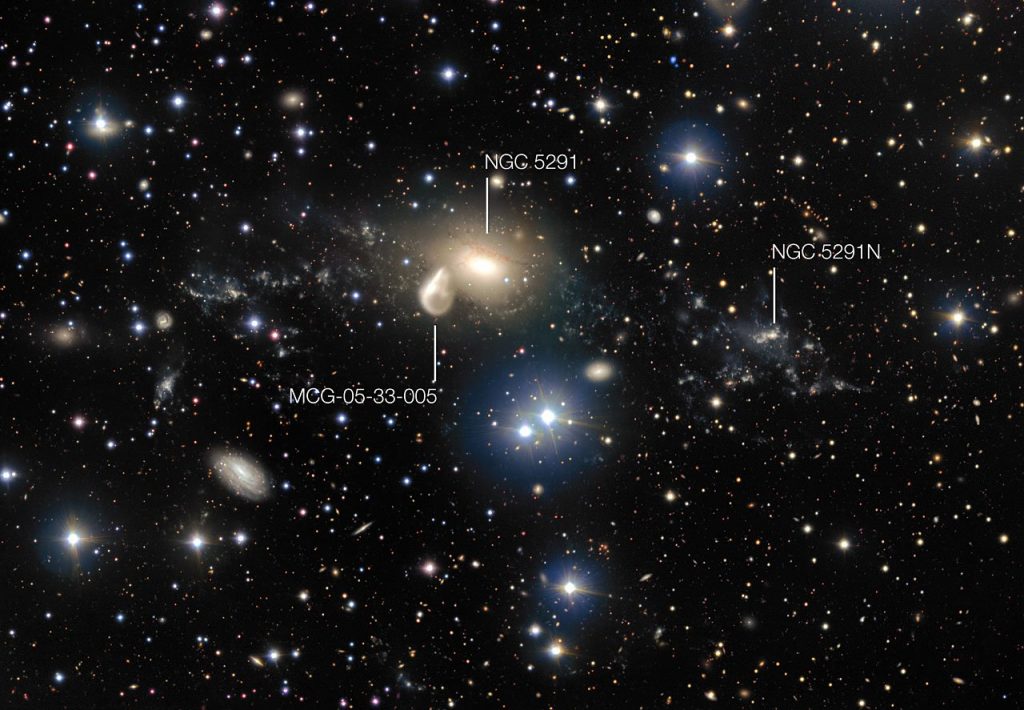
The surroundings of the interacting galaxy NGC 5291 (annotated). Credits: ESO

360-Million-Year-Old Cosmic Collision Revisited In New Images From ESO’s Very Large Telescope

MessageToEagle.com – Over 360 million years ago, NGC 5291 – an elliptical galaxy located nearly 200 million light-years away in the constellation of Centaurus (The Centaur) –  was involved in a dramatic and violent collision with another galaxy travelling at immense speeds. The cosmic crash ejected huge streams of gas into nearby space, which later coalesced

360-Million-Year-Old Cosmic Collision Revisited In New Images From ESO’s Very Large Telescope Read More »