Astronomy

Astronomy

Our Universe is amazing and full of cosmic mysteries and curious anomalies. Since the dawn of history, humans have gazed at the night sky and wondered what is really out there. Where can we find extraterrestrials? What would alien worlds look like? There is still so much we don’t know about the Universe.

In this section, we take you on a journey to distant worlds and explore the secrets of our universe. You’ll find here the latest astronomy news, remarkable facts about the cosmos and space mysteries scientists are still trying to solve.

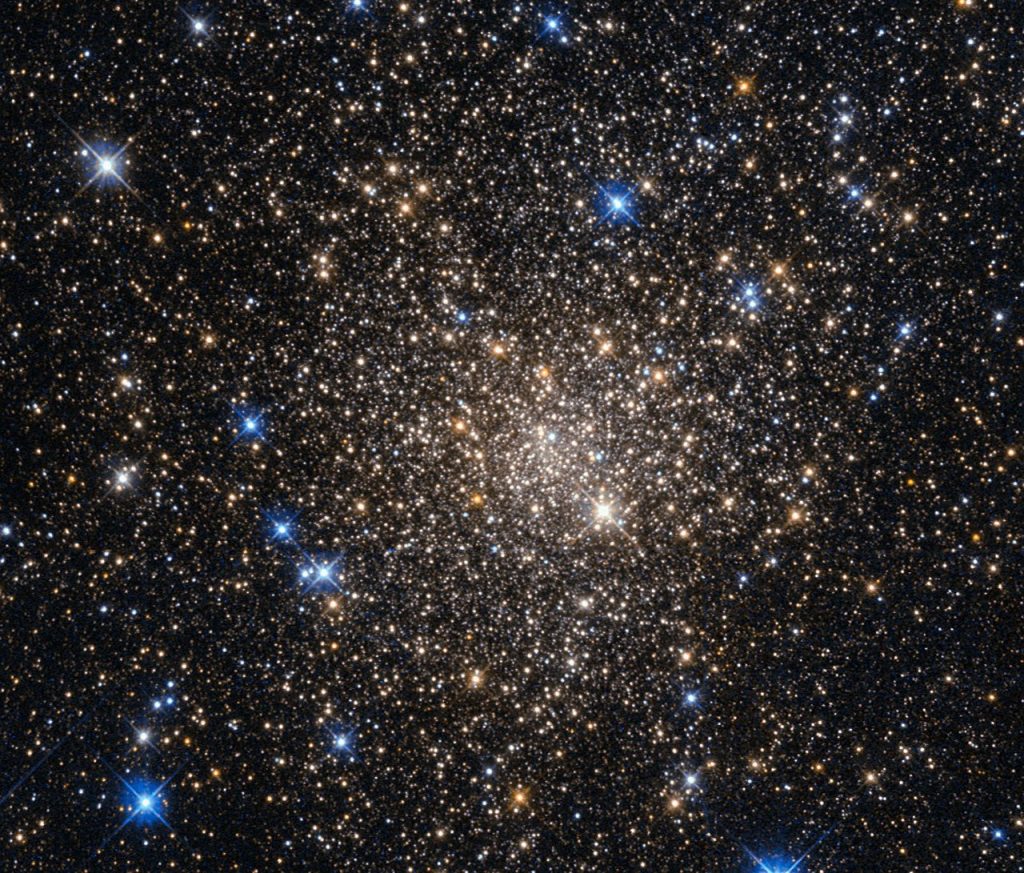
Globular cluster Terzan 1 in the constellation Scorpius. Image credit: NASA & ESA, Acknowledgement: Judy Schmidt.

Hubble Presents Terzan 1: A Home For Old Stars In The Constellation Of Scorpius

MessageToEagle.com – The Wide Field Planetary Camera 2 on board the NASA/ESA Hubble Space Telescope, shows the globular cluster Terzan 1. Terzan 1 is located approximately 20,000 light-years from us in the constellation of Scorpius (The Scorpion) and it is one of about 150 globular clusters belonging to our galaxy, the Milky Way. Globular clusters are

Hubble Presents Terzan 1: A Home For Old Stars In The Constellation Of Scorpius Read More »

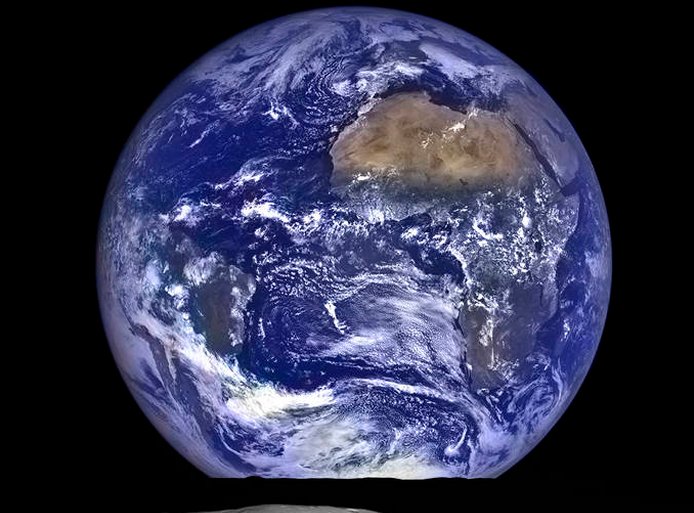
Stunning High-Res Image Of Earth Released By NASA

MessageToEagle.com – NASA’s Lunar Reconnaissance Orbiter (LRO) recently captured a unique view of Earth from the spacecraft’s vantage point in orbit around the moon. “The image is simply stunning,” said Noah Petro, Deputy Project Scientist for LRO at NASA’s Goddard Space Flight Center in Greenbelt, Maryland. “The image of the Earth evokes the famous ‘Blue Marble’ image taken by Astronaut Harrison Schmitt

Stunning High-Res Image Of Earth Released By NASA Read More »

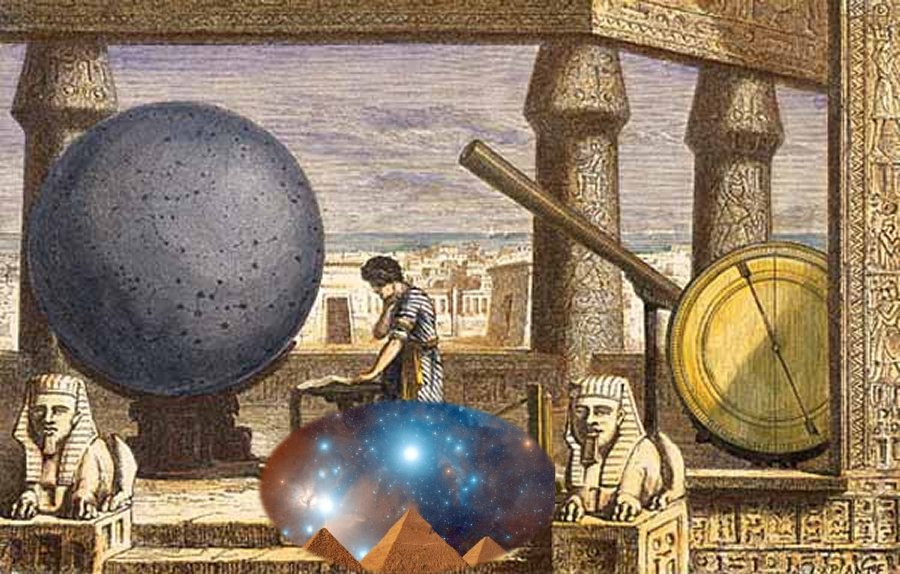
Ancient Egyptians Observed Algol’s Eclipses – Cairo Calendar Analyzed

MessageToEagle.com –  In 2012, the study of the “Demon star”, Algol, made by a research group of the University of Helsinki, Finland, has received both scientific and public attention and was widely discussed in the Internet. The period of the brightness variation of this eclipsing binary star has been connected to good prognoses three millennia ago.

Ancient Egyptians Observed Algol’s Eclipses – Cairo Calendar Analyzed Read More »

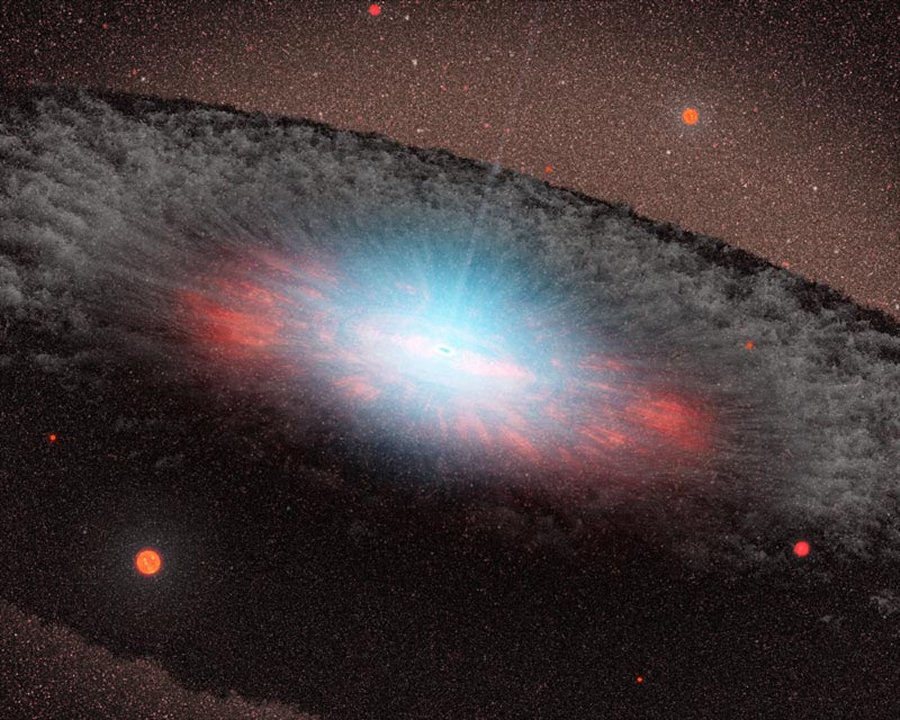
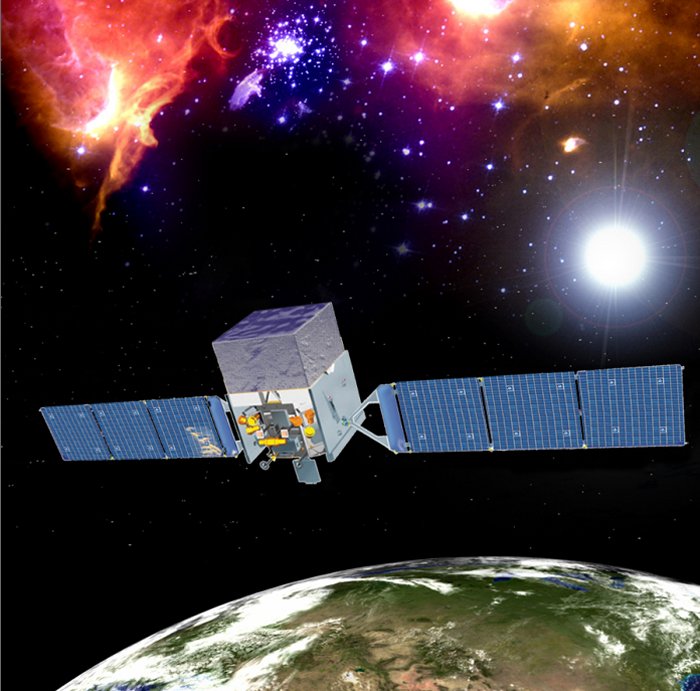
Fermi helps to investigate numerous exotic and beautiful phenomena, some of which can generate almost inconceivable amounts of energy. Supermassive black holes, merging neutron stars, streams of hot gas moving close to the speed of light . Credits: NASA

High-Energy Gamma Rays From Super Powerful Blazar Studied By NASA’s Fermi Gamma-Ray Space Telescope

MessageToEagle.com – They are among the most fascinating cosmic phenomena. Astronomers know them as blazars and each of them harbors a supermassive black hole and jets emanating in opposite directions from near its poles. These sources are unique evidence of the most extreme speeds and energies known in the extreme Universe. Only one blazar would be

High-Energy Gamma Rays From Super Powerful Blazar Studied By NASA’s Fermi Gamma-Ray Space Telescope Read More »

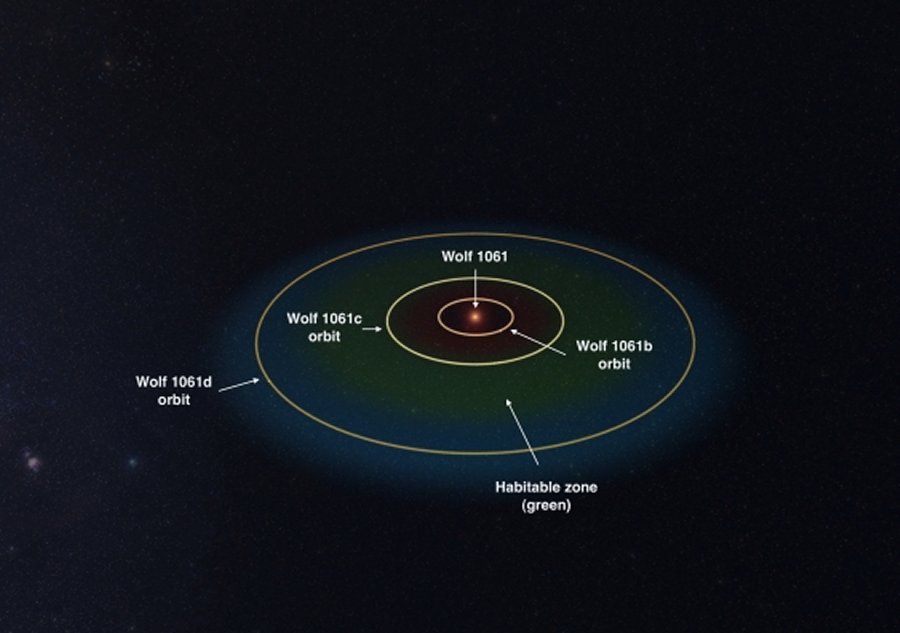
Wolf 1061 and its orbiting planets. The habitable zone is shaded green. Image supplied.

Wolf 1061c: Potentially Habitable Super-Earth Discovered Orbiting A Star 14 Light-Years Away

MessageToEagle.com – UNSW astronomers have discovered the closest potentially habitable planet found outside our solar system, orbiting a star just 14 light years away. The planet, more than four times the mass of the Earth, is one of three that the team detected around a red dwarf star called Wolf 1061. While a few other planets

Wolf 1061c: Potentially Habitable Super-Earth Discovered Orbiting A Star 14 Light-Years Away Read More »

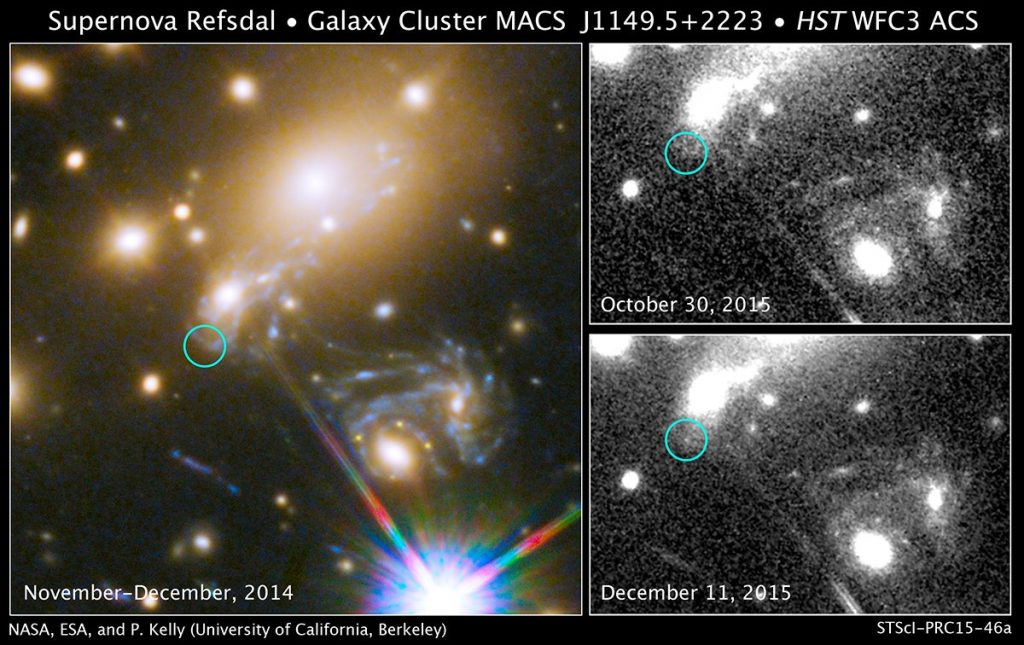
The image on the top right shows observations by Hubble from October 30, 2015, taken at the beginning of the observation program to detect the newest appearance of the supernova.The image on the lower right shows the discovery of the Refsdal supernova on December 11, 2015, as predicted by several different models. Credits: NASA/Hubble

Refsdal Supernova: First-Ever Image Of Predicted Exploding Star Captured By Hubble

MessageToEagle.com – The NASA/ESA Hubble Space Telescope has captured the image of the first-ever predicted supernova explosion. The reappearance of the Refsdal supernova was calculated from different models of the galaxy cluster whose immense gravity is warping the supernova’s light. Many stars end their lives with a bang, but only a few of these stellar explosions

Refsdal Supernova: First-Ever Image Of Predicted Exploding Star Captured By Hubble Read More »

A Thrilling Moment: Cassini Closes In On Enceladus, One Last Time – Dec. 19

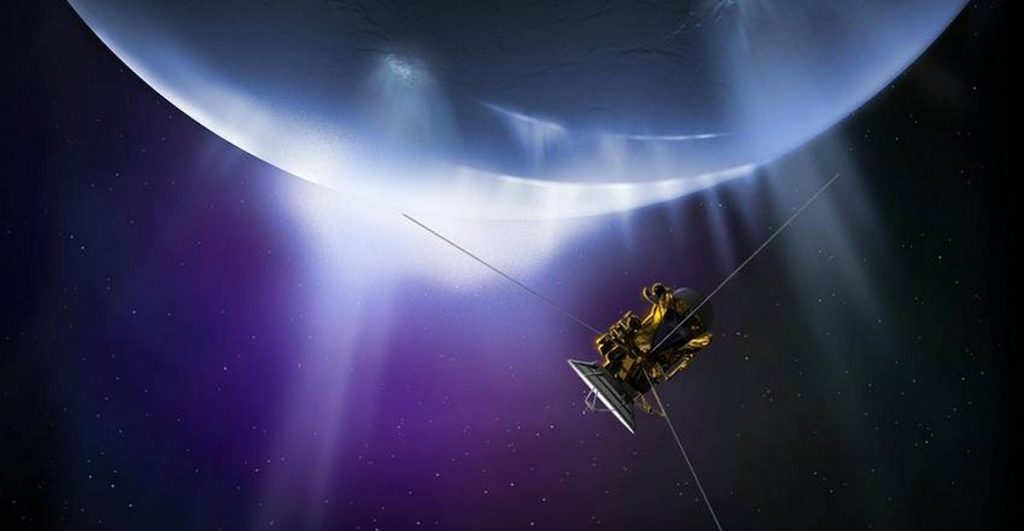
MessageToEagle.com – A thrilling chapter in the exploration of the solar system will soon conclude, as NASA’s Saturn-orbiting Cassini spacecraft makes its final close flyby of the ocean-bearing moon Enceladus. Cassini is scheduled to fly past Enceladus at a distance of 3,106 miles (4,999 kilometers) on Saturday, Dec. 19, at 9:49 a.m. PST (12:49 p.m. EST).

A Thrilling Moment: Cassini Closes In On Enceladus, One Last Time – Dec. 19 Read More »