Astronomy

Astronomy

Our Universe is amazing and full of cosmic mysteries and curious anomalies. Since the dawn of history, humans have gazed at the night sky and wondered what is really out there. Where can we find extraterrestrials? What would alien worlds look like? There is still so much we don’t know about the Universe.

In this section, we take you on a journey to distant worlds and explore the secrets of our universe. You’ll find here the latest astronomy news, remarkable facts about the cosmos and space mysteries scientists are still trying to solve.

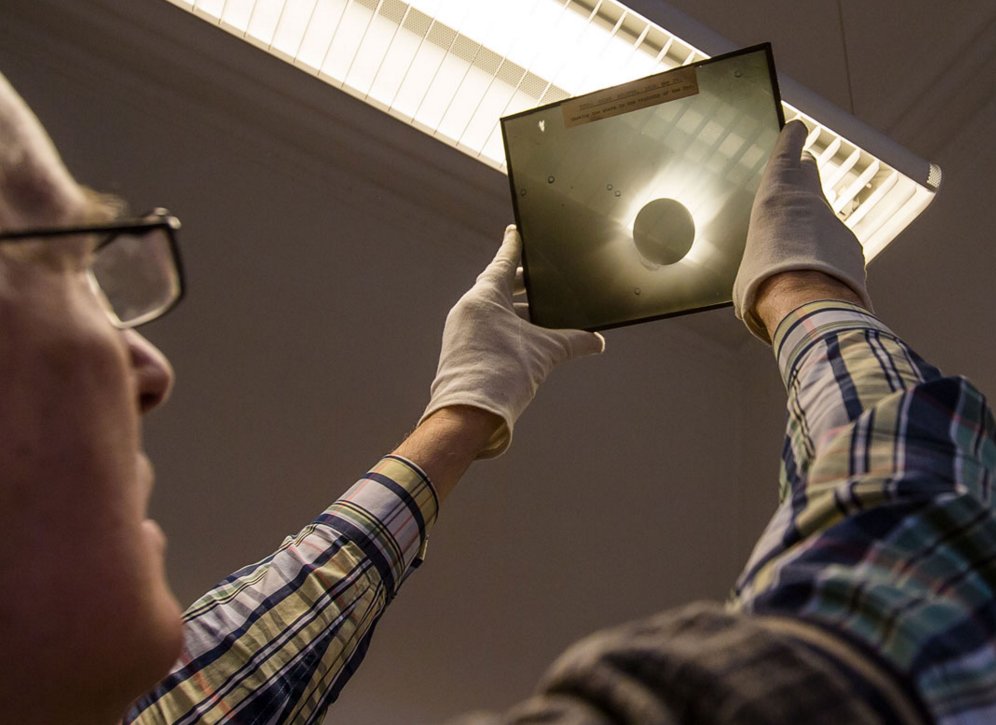
Seen here is the solar eclipse from 1919, which the English astronomer Arthur Eddington used as evidence for Albert Einstein’s general theory of relativity. Credits: Niels Bohr Institute

120-Year-Old Astronomical Observations Recorded On Glass Plates Discovered By Chance In Basement

MessageToEagle.com – Ancient astronomical observations that go more than 120 years back in time have been found by chance in the basement under the the Niels Bohr Institute building in Copenhagen, Denmark. The observations were recorded on thin photographic plates made out of glass and they have been shown to contain footage a solar eclipse that
120-Year-Old Astronomical Observations Recorded On Glass Plates Discovered By Chance In Basement Read More »

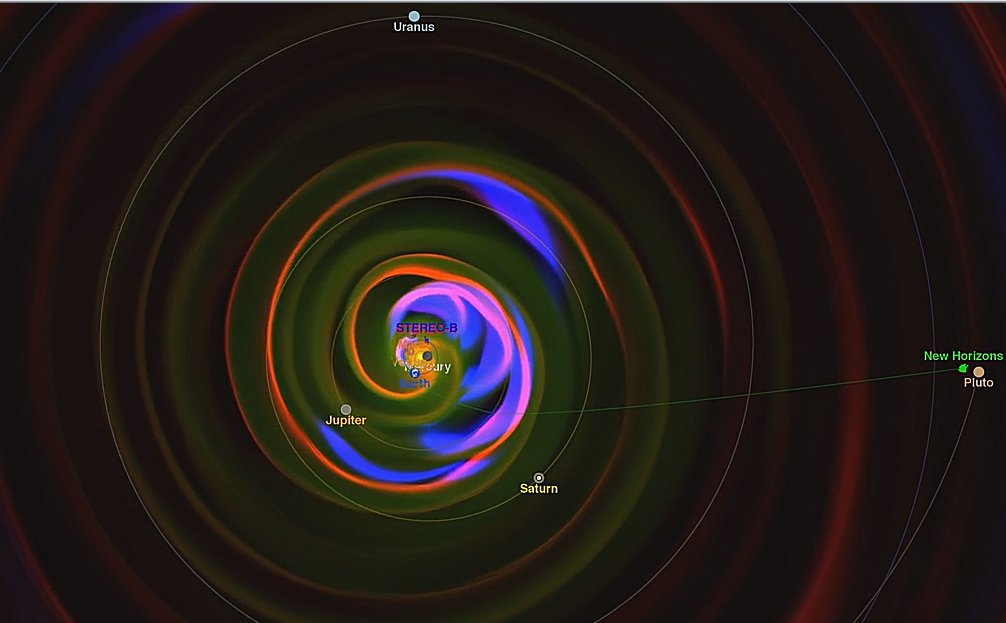
Video: Simulation Of The Space Environment All The Way Out To Pluto

MessageToEagle.com – This video shows a simulation of the space environment all the way out to Pluto in the months surrounding New Horizons’ July 2015 flyby. At the time, scientists at NASA’s Goddard Space Flight Center in Greenbelt, Maryland, worked with the New Horizons team to test how well their models—and other models contributed by scientists

Video: Simulation Of The Space Environment All The Way Out To Pluto Read More »

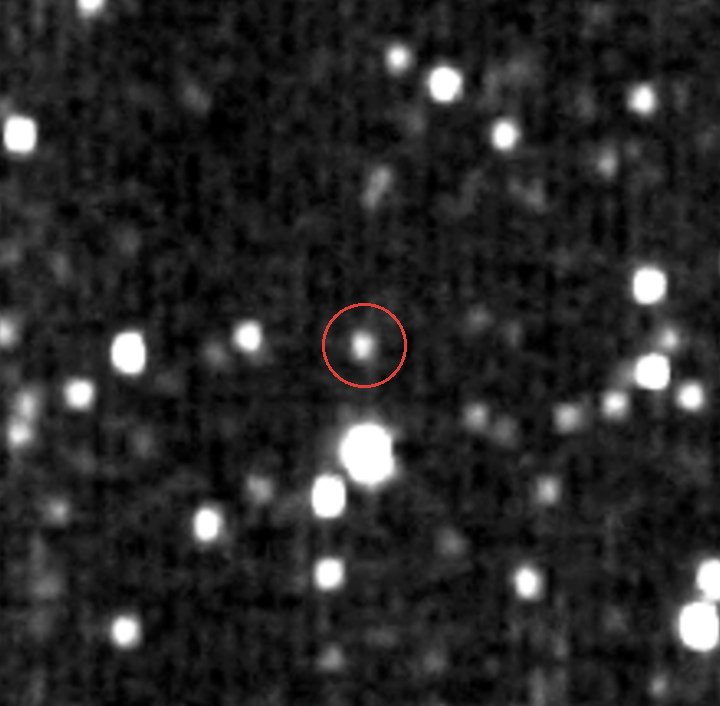
NASA's New Horizons spacecraft captured this image of the Kuiper Belt object 1994 JR1 on Nov. 2, 2015. Credit: NASA/JHUAPL/SwRI

Pluto Probe Snaps Record-Breaking Photos Of Frigid, Faraway Object

MessageToEagle.com – NASA’s New Horizons spacecraft has captured the closest images of a small object in the Kuiper Belt, the ring of icy bodies beyond Neptune’s orbit, mission team members say. New Horizons, which performed history’s first flyby of Pluto this past July, took four photos of a 90-mile-wide (150 kilometers) Kuiper Belt object called 1994

Pluto Probe Snaps Record-Breaking Photos Of Frigid, Faraway Object Read More »

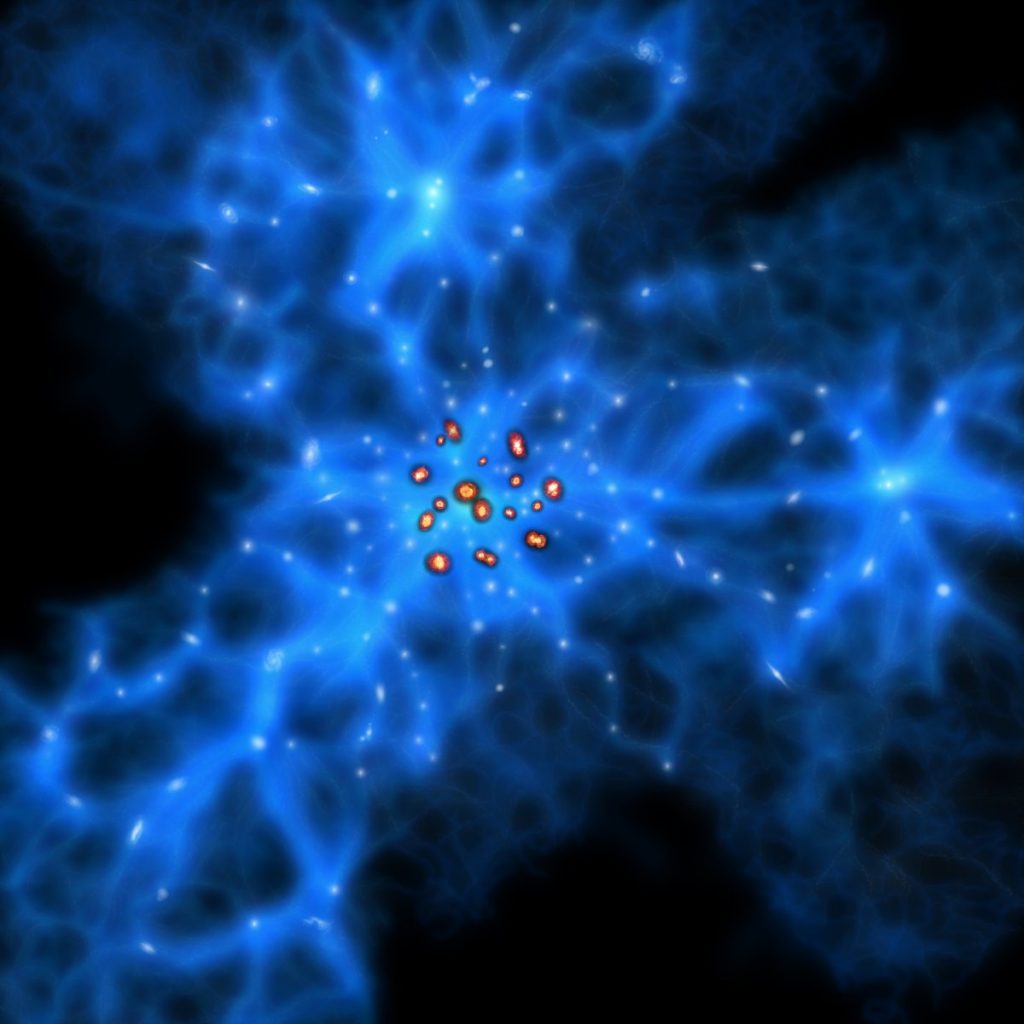
A visualization of the proto-Great Wall and monstrous galaxies. Monstrous galaxies are thought to preferentially be born at the centers of the web like structures formed by young galaxies. Credit: ALMA (ESO/NAOJ/NRAO)

Astronomers And ALMA Spot Monstrous Baby Galaxies 11.5 Billion Light-Years Away

MessageToEagle.com – Using the ALMA (Atacama Large Millimeter/submillimeter Array), astronomers discovered a nest of monstrous baby galaxies located 11.5 billion light-years away. The young galaxies seem to reside at the junction of gigantic filaments in a web of dark matter. These findings are important for understanding how monstrous galaxies like these are formed and how they

Astronomers And ALMA Spot Monstrous Baby Galaxies 11.5 Billion Light-Years Away Read More »

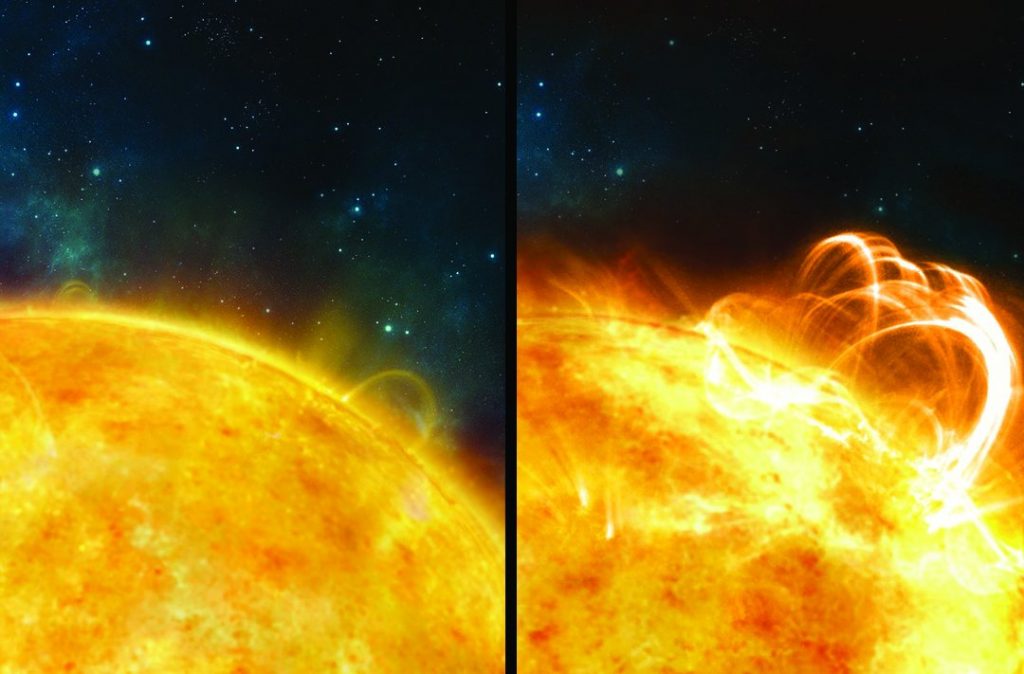
Left: Artist’s impression of the 'quiet' Sun, with no solar flares. Right: What the Sun might look like if it were to produce a superflare. A large flaring coronal loop structure is shown towering over a solar active region. Credits: Credit: University of Warwick/Ronald Warmington

Sun Could Unleash Devastating ‘Superflare’

MessageToEagle.com – The sun is capable of firing off an incredibly powerful superflare that could wreak havoc on Earth’s technology-dependent society, a new study suggests. The same basic processes drive the “normal” flares of high-energy radiation emitted by the sun and superflares blasted out by faraway stars, which can be thousands of times more powerful, researchers

Sun Could Unleash Devastating ‘Superflare’ Read More »

A United Launch Alliance Atlas 5 lifts off from Cape Canaveral, Florida, Dec. 6, placing a Cygnus cargo spacecraft in orbit bound for the International Space Station. Credit: NASA TV

NASA Cargo Launches To Space Station Aboard Orbital ATK Resupply Mission

MessageToEagle.com – New hardware that will support dozens of NASA investigations and other science experiments from around the world is among the more than 7,000 pounds of cargo on the way to the International Space Station aboard Orbital ATK’s Cygnus spacecraft. It launched at 4:44:57 p.m. EST Sunday on a United Launch Alliance Atlas V rocket

NASA Cargo Launches To Space Station Aboard Orbital ATK Resupply Mission Read More »

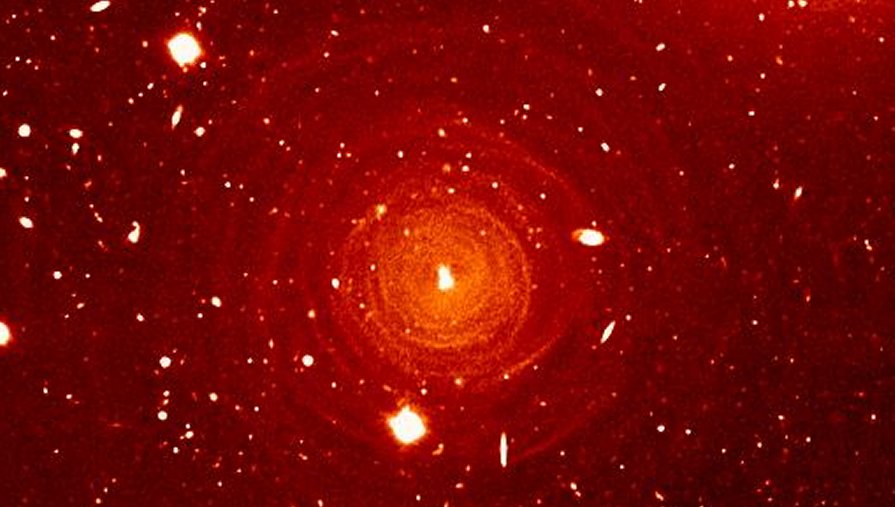
A deep optical image of the carbon star IRC+10216. Credits: Izan Leao; the Very Large Telescope

Intriguing Red Giant Star CW Leo: Its Unexpected Change In Appearance Baffles Astronomers

MessageToEagle.com – There is an intriguing red giant star, known as   (also known as IRC+10216), located 400 light years away in the constellation Leo (“the Lion”). The star has changed its appearance completely, in just a couple of years. CW Leo is nearing the end of its red giant stage and starting to throw out large amounts of

Intriguing Red Giant Star CW Leo: Its Unexpected Change In Appearance Baffles Astronomers Read More »

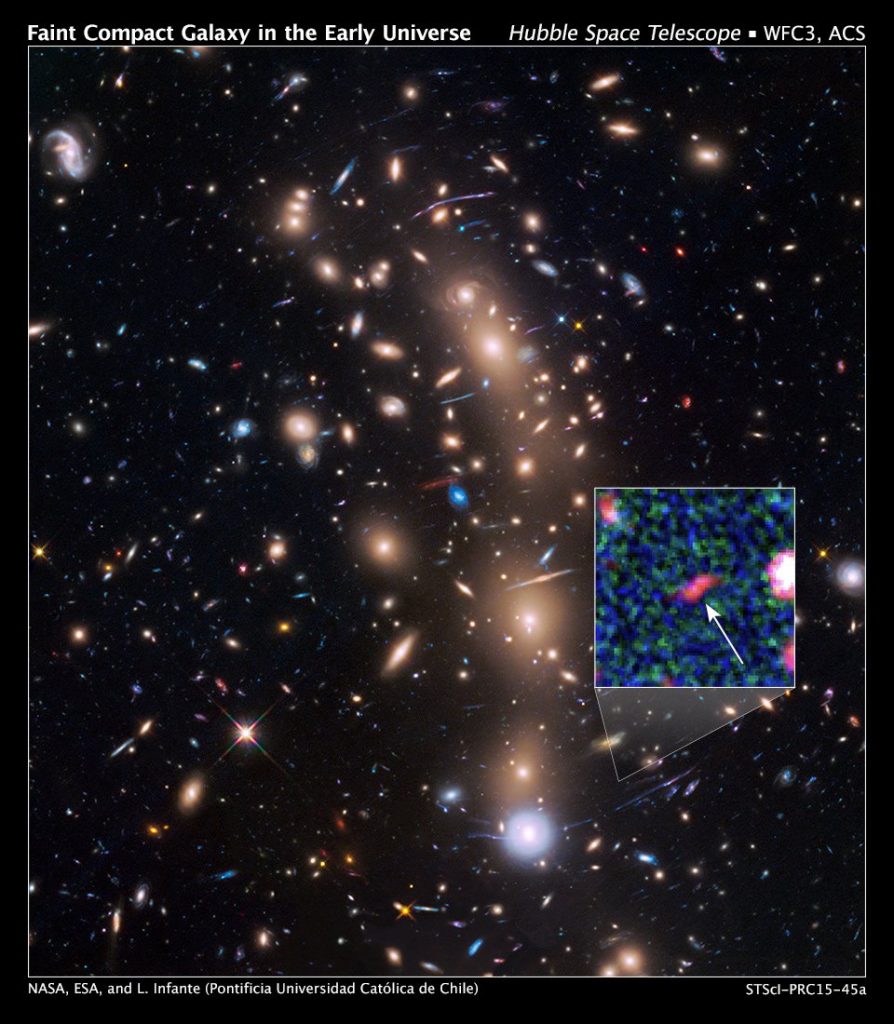
This is a Hubble Space Telescope view of a very massive cluster of galaxies, MACS J0416.1-2403, located roughly 4 billion light-years away and weighing as much as a million billion suns. The inset is an image of an extremely faint and distant galaxy that existed only 400 million years after the big bang. Hubble captured it because the gravitational lens makes the galaxy appear 20 times brighter than normal. Credit: Credits: NASA, ESA, and L. Infante (Pontificia Universidad Catolica de Chile)

NASA Space Telescopes See Magnified Image Of The Faintest Galaxy From The Early Universe

å+MessageToEagle.com – Using NASA’s Hubble and Spitzer space telescopes, astronomers have found the faintest object ever seen in the early universe. It existed about 400 million years after the big bang, 13.8 billion years ago. The team has nicknamed the object Tayna, which means “first-born” in Aymara, a language spoken in the Andes and Altiplano regions of

NASA Space Telescopes See Magnified Image Of The Faintest Galaxy From The Early Universe Read More »