Astronomy

Astronomy

Our Universe is amazing and full of cosmic mysteries and curious anomalies. Since the dawn of history, humans have gazed at the night sky and wondered what is really out there. Where can we find extraterrestrials? What would alien worlds look like? There is still so much we don’t know about the Universe.

In this section, we take you on a journey to distant worlds and explore the secrets of our universe. You’ll find here the latest astronomy news, remarkable facts about the cosmos and space mysteries scientists are still trying to solve.

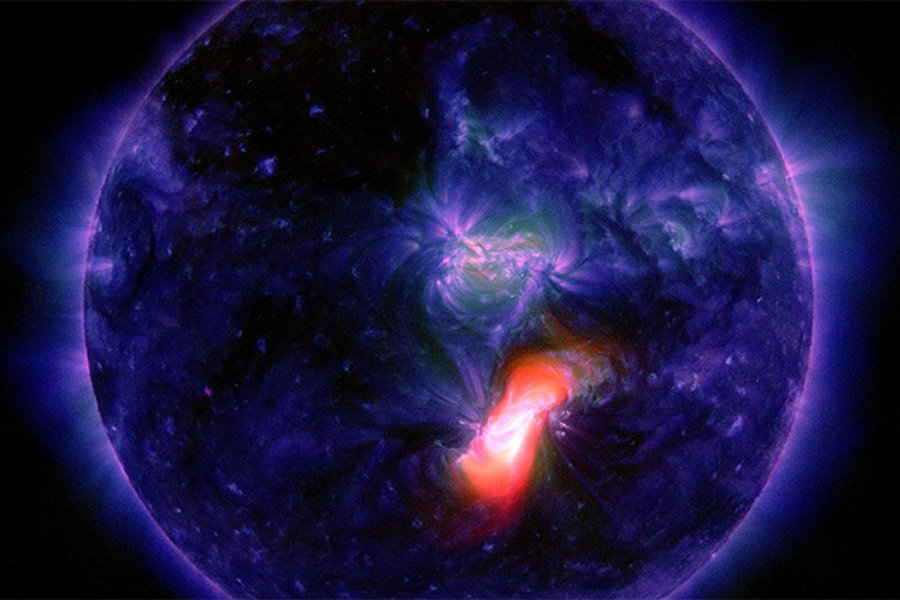
This NASA Solar Dynamics Observatory observation shows a composite view of our sun in extreme-ultraviolet light. On Dec. 28, the sunspot cluster AR2473 erupted with a M1.9 flare, sending a coronal mass ejection at Earth. Credit: NASA/SDO

Sun Blasts Flare At Earth: New Year’s Eve Storm?

MessageToEagle.com – You can say what you like about our nearest star, but as this latest solar eruption proves, it certainly has impeccable timing. On Monday (Dec. 28), a sunspot cluster erupted, blasting an M-class flare directly at Earth. The extreme-ultraviolet radiation immediately washed over our upper atmosphere, initiating an ionization event that caused a radio

Sun Blasts Flare At Earth: New Year’s Eve Storm? Read More »

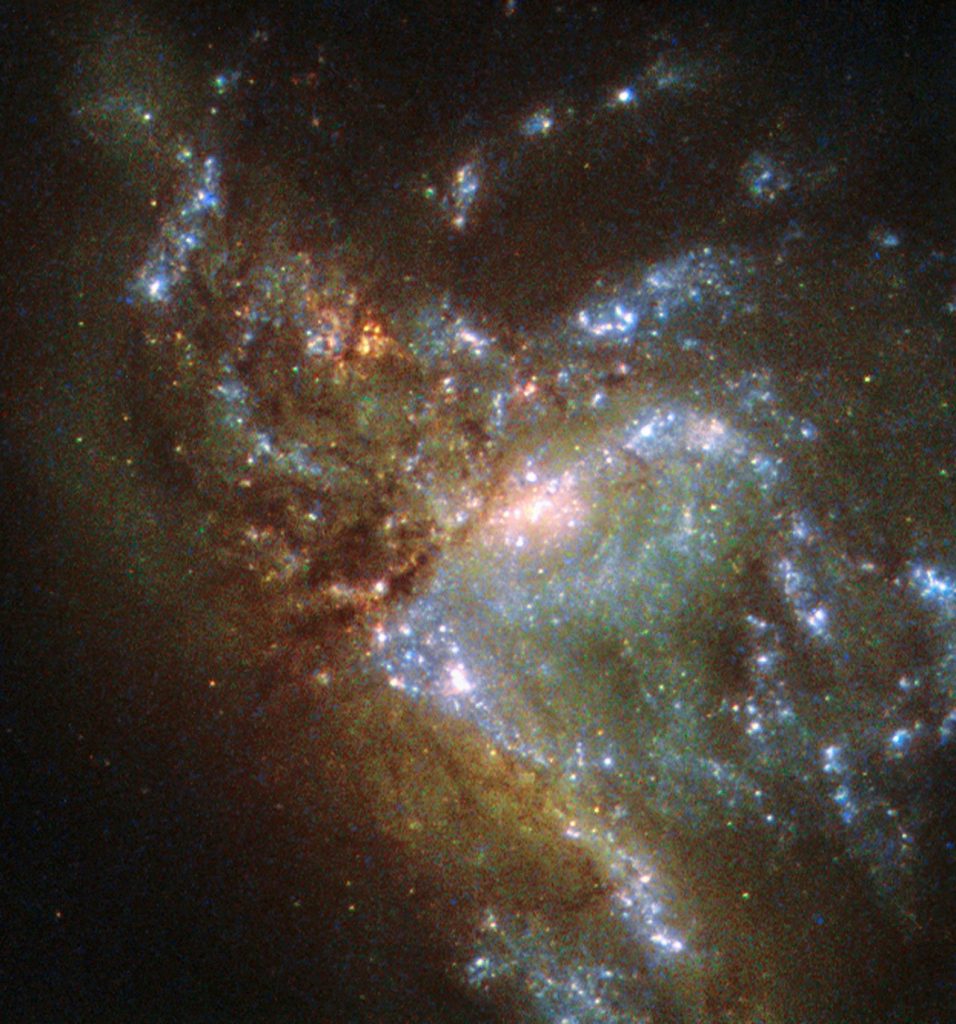
This image, taken with the Wide Field Planetary Camera 2 on board the NASA/ESA Hubble Space Telescope, shows the galaxy NGC 6052, located around 230 million light-years away in the constellation of Hercules. Credit: ESA/Hubble & NASA, Acknowledgement: Judy Schmidt (Geckzilla)

Hubble Presents: Galaxy NGC 6052 Located In The Constellation Of Hercules

MessageToEagle.com – The Wide Field Planetary Camera 2 (WFPC2) was Hubble’s workhorse camera for many years. One of Hubble’s most important instruments was used to observe just about everything. WFPC2 delivered many of the most famous Hubble pictures. This image, taken with the Wide Field Planetary Camera 2 on board the NASA/ESA Hubble Space Telescope, shows the galaxy NGC

Hubble Presents: Galaxy NGC 6052 Located In The Constellation Of Hercules Read More »

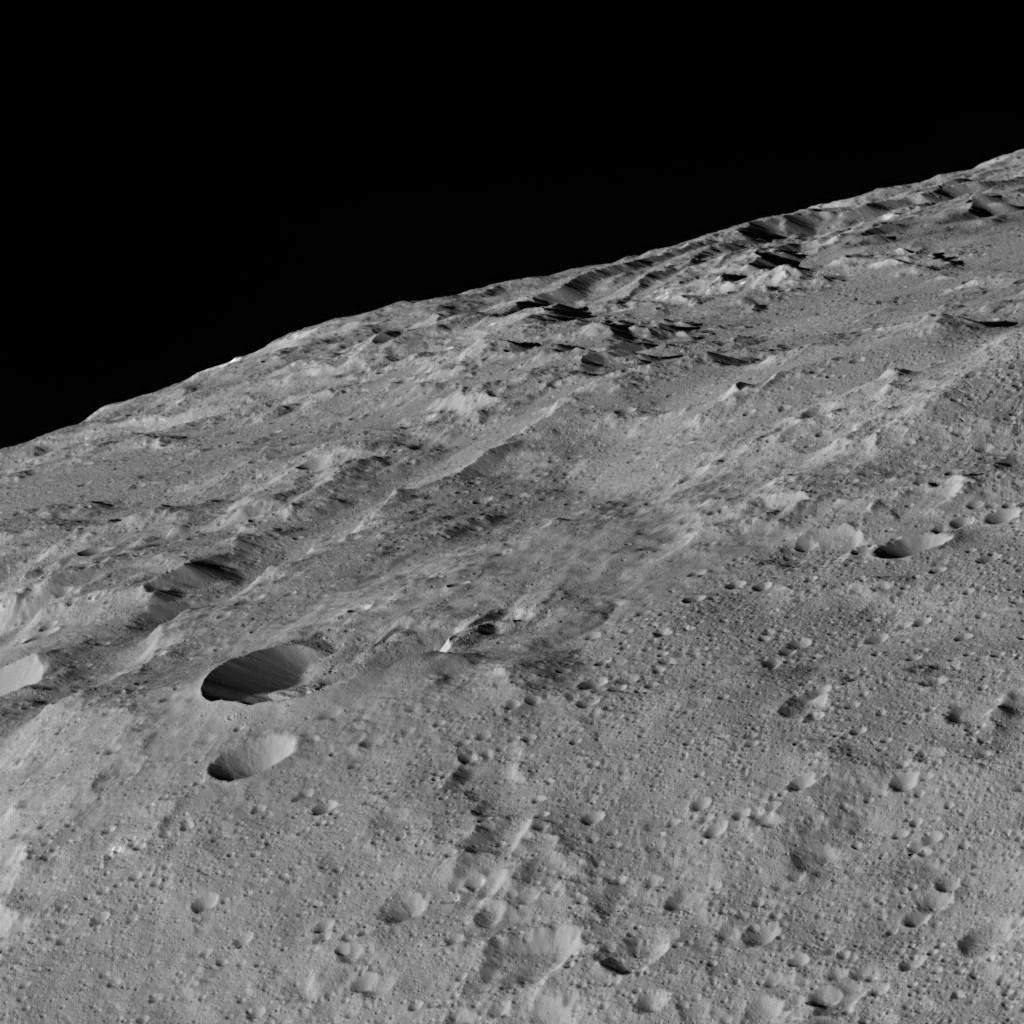
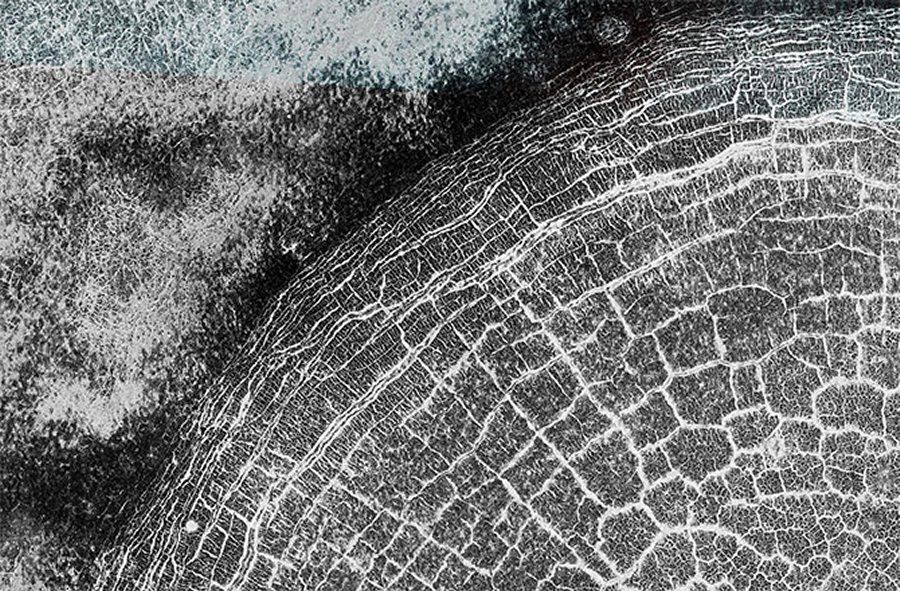
This image of Ceres was taken in Dawn's low-altitude mapping orbit around a crater chain called Gerber Catena. A 3-D view is also available. Credit: NASA/JPL-Caltech/UCLA/MPS/DLR/IDA

Dwarf Planet Ceres’ Stretched-Out Surface Revealed In New Photos

MessageToEagle.com – NASA’s Dawn probe took a series of stunning new images of Ceres’ chain of craters called Gerber Catana, from an altitude of just 240 miles (385 kilometers) – the closest the spacecraft has ever come to the dwarf planet. Among the major science findings from the close-up view is the discovery that Ceres, despite

Dwarf Planet Ceres’ Stretched-Out Surface Revealed In New Photos Read More »

NASA plans to grow food onboard future spacecraft and on other plants as a food supplement for its astronauts. (NASA)

ISS’ Astonishing ‘Space Garden’ With Fresh Fruits And Vegetables

MessageToEagle.com – Lettuce, peas and radishes are just a few vegetables that are found in a summer garden. But did you know these same vegetables also can be grown in space? Crew members aboard the International Space Station have been growing such plants and vegetables for years in their “space garden.” This garden represents a safe

ISS’ Astonishing ‘Space Garden’ With Fresh Fruits And Vegetables Read More »

Esteban De Armas/Shutterstock.com

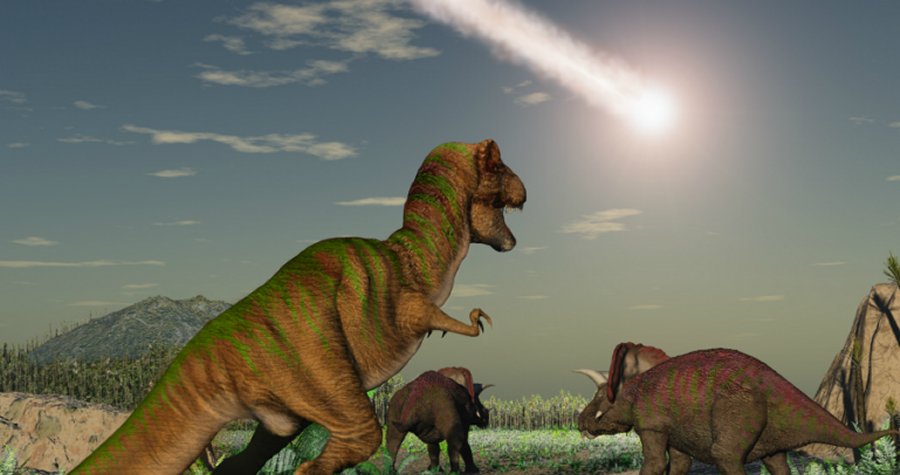
Giant Comets ‘Centaurs’ – A Hazard To Earth, Astronomers Say

MessageToEagle.com – Hundreds of giant comets have been dicovered in the outer planetary system over the last two decades. These objects could pose danger to life on Earth and represent a much greater hazard to life than asteroids, according to research conducted by a team of astronomers from Armagh Observatory and the University of Buckingham. The giant comets

Giant Comets ‘Centaurs’ – A Hazard To Earth, Astronomers Say Read More »

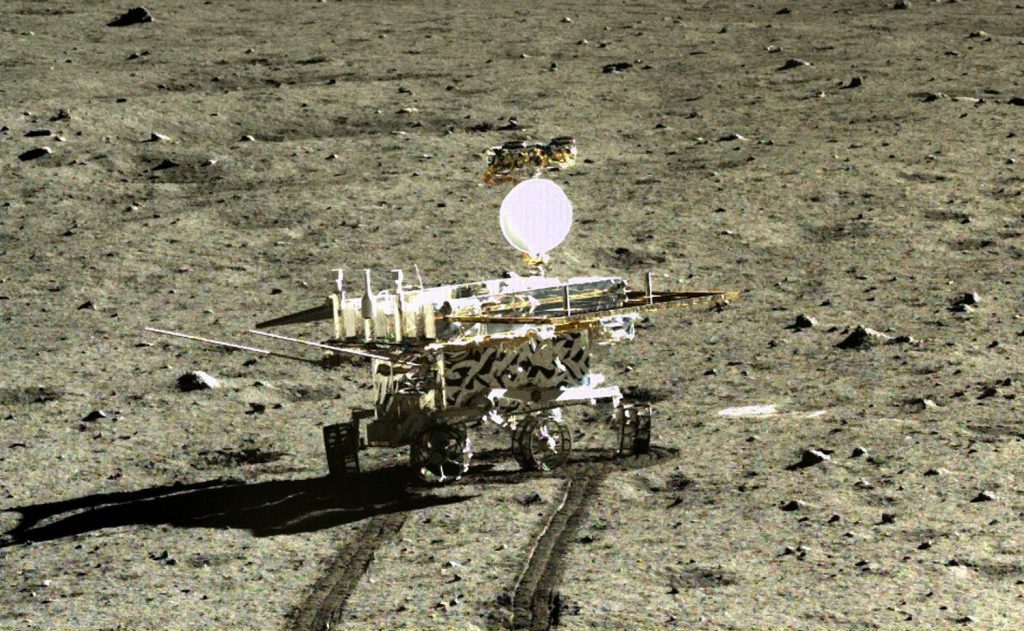
The Chinese lunar rover, Yutu, photographed by its lander Chang’e-3, after the lander touched down in Mare Imbrium, a giant impact basin that had been filled by successive lava flows. Credit: CNAS/CLEP

Chinese Rover Analyzes Moon Rocks: First New ‘Ground Truth’ In 40 Years

MessageToEagle.com – Rover finds volcanic rocks unlike those returned by Apollo and Luna missions, tantalizing clues to the period of lunar volcanism, researchers say. In 2013, Chang’e-3, an unmanned lunar mission, touched down on the northern part of the Imbrium basin, one of the most prominent of the lava-filled impact basins visible from Earth. “It was

Chinese Rover Analyzes Moon Rocks: First New ‘Ground Truth’ In 40 Years Read More »

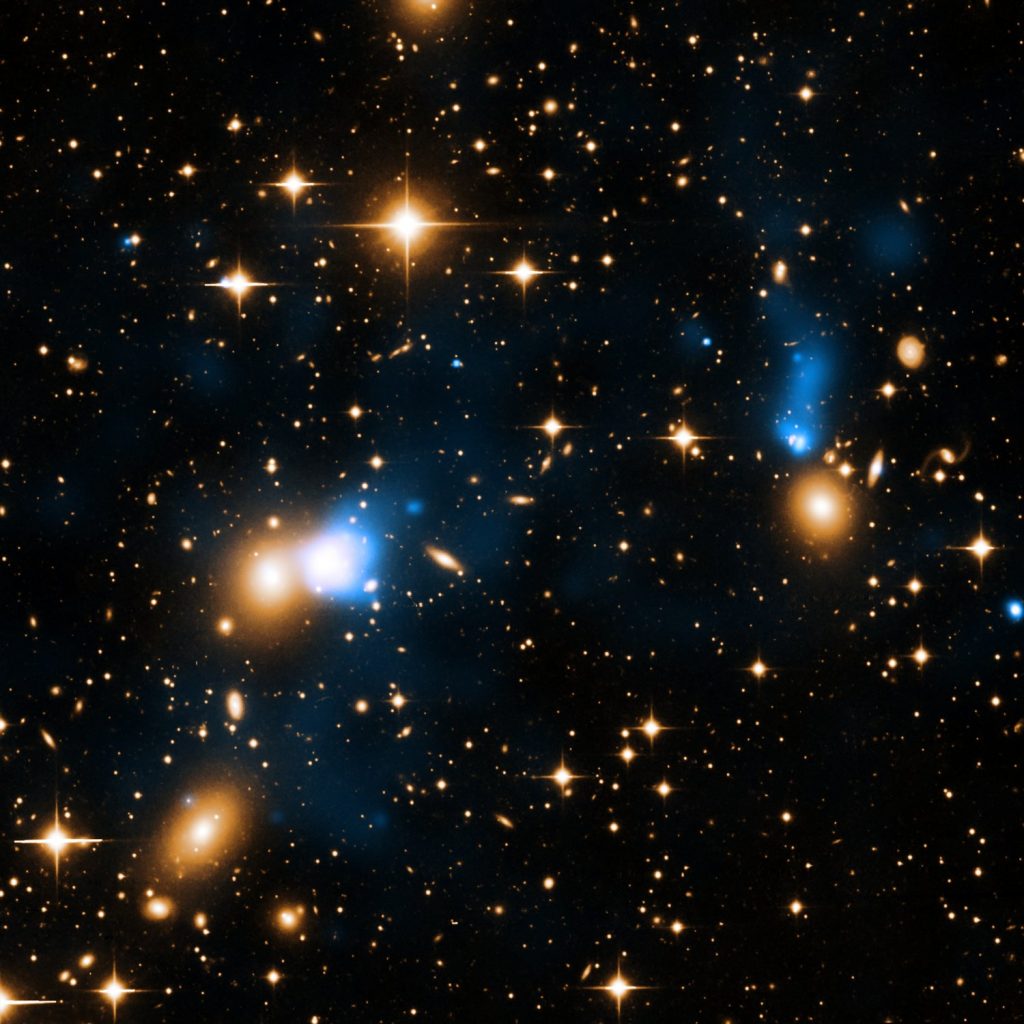
An extraordinary ribbon of hot gas trailing behind a galaxy like a tail has been discovered using data from NASA’s Chandra X-ray Observatory. The tail is located in the galaxy cluster Zwicky 8338, which is almost 700 million light years from Earth. The length of the tail is more than twice the diameter of the entire Milky Way galaxy. Image credit: X-ray: NASA/CXC/University of Bonn/G. Schellenberger et al; Optical: INT

Zwicky 8338: NASA’s Chandra Observatory Finds Amazing Galactic X-Ray Tail

MessageToEagle.com – An extraordinary ribbon of hot gas trailing behind a galaxy like a tail has been discovered using data from NASA’s Chandra X-ray Observatory. This ribbon, or X-ray tail, is likely due to gas stripped from the galaxy as it moves through a vast cloud of hot intergalactic gas. With a length of at least

Zwicky 8338: NASA’s Chandra Observatory Finds Amazing Galactic X-Ray Tail Read More »