Astronomy

Astronomy

Our Universe is amazing and full of cosmic mysteries and curious anomalies. Since the dawn of history, humans have gazed at the night sky and wondered what is really out there. Where can we find extraterrestrials? What would alien worlds look like? There is still so much we don’t know about the Universe.

In this section, we take you on a journey to distant worlds and explore the secrets of our universe. You’ll find here the latest astronomy news, remarkable facts about the cosmos and space mysteries scientists are still trying to solve.

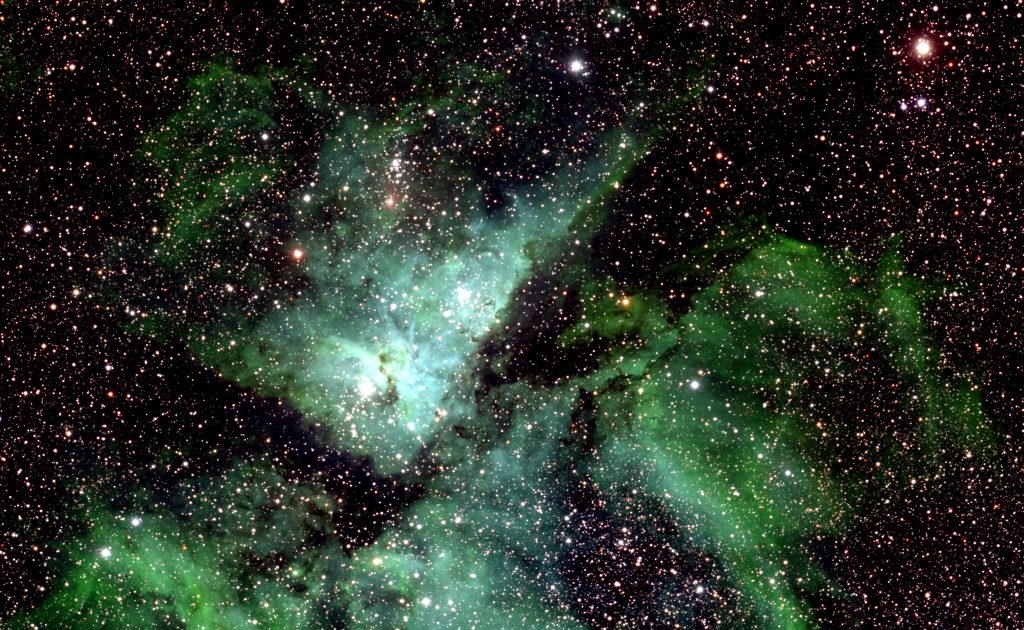
A small section of the Milky Way photo showing Eta Carinae

A 46 Billion Pixel Image Of The Milky Way – Largest Ever Created

MessageToEagle.com – Astronomers at the Ruhr-Universität Bochum, Germany have compiled the largest astronomical image to date. This amazing and comprehensive picture is composed of the 268 individual images captured over the past five years. The picture spans 46 billion pixels and makes up the photo of the Milky Way. The images were recorded at the Bochum

A 46 Billion Pixel Image Of The Milky Way – Largest Ever Created Read More »
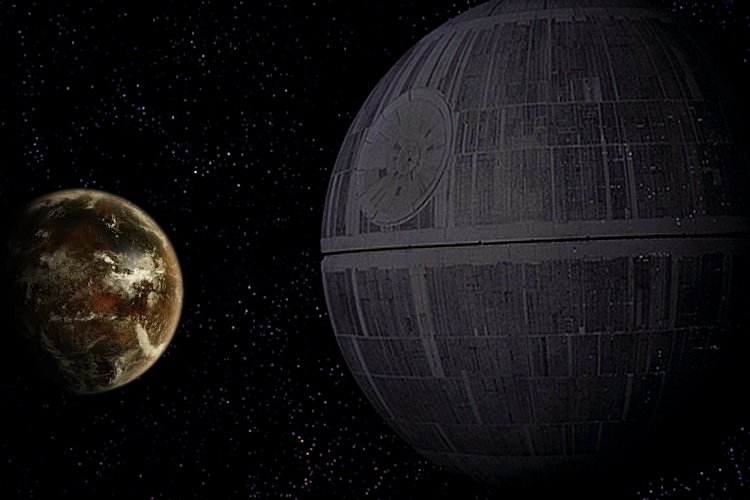
Cosmic ‘Death Star’ Is Responsible For Destruction Taking Place In Constellation Virgo

MessageToEagle.com – The Death Star of the movie Star Wars may be fictional, but planetary destruction is real. The Death Star from Star Wars is one of the most frightening space stations in sci-fi history and it’s not only its huge size, which scares us. The Death Star has the ability to destroy entire planets with its

Cosmic ‘Death Star’ Is Responsible For Destruction Taking Place In Constellation Virgo Read More »

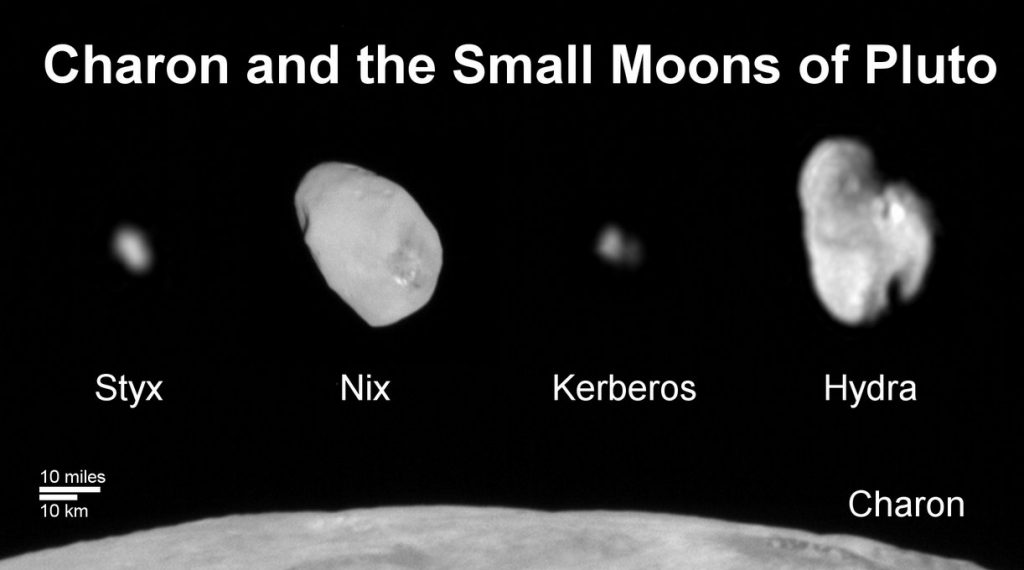
Pluto’s moons: Charon, the largest of Pluto’s moons, with a diameter of 751 miles (1,212 km). Nix and Hydra have comparable sizes, approximately 25 miles (40 km) across in their longest dimension above. Kerberos and Styx are much smaller and have comparable sizes, roughly 6-7 miles (10-12 km) across in their longest dimension. All four small moons have highly elongated shapes, a characteristic thought to be typical of small bodies in the Kuiper Belt. Credits: NASA/JHUAPL/SwRI

New Horizons Spacecraft Reveals: Mysterious Kerberos – Last Of Pluto’s Moons

MessageToEagle.com – An image of Pluto’s tiny and mysterious moon Kerberos was beamed back this week by NASA’s New Horizons spacecraft.  New Horizons spacecraft made its close flyby of Pluto in July this year and thus, the probe has completed the “family portrait” of Pluto’s moons, the space agency informed Thursday. Kerberos appears to be

New Horizons Spacecraft Reveals: Mysterious Kerberos – Last Of Pluto’s Moons Read More »

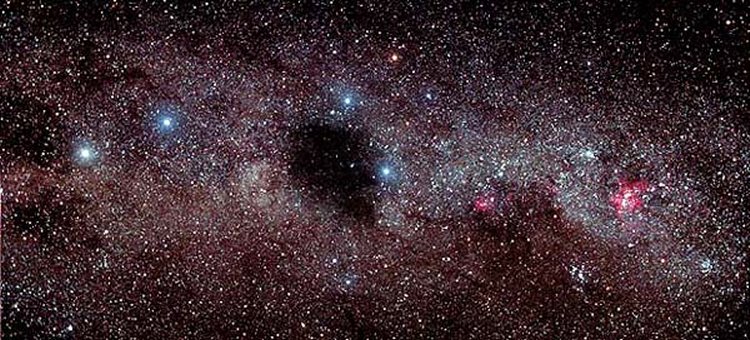
The Coalsack is one of the most prominent dark nebulae visible to the unaided eye

Coalsack Nebula Observed For At Least 40,000 Years: A Cosmic Sackful Of Black Coal

MessageToEagle.com – The Coalsack Nebula is located about 600 light-years away in the constellation of Crux (The Southern Cross), which is approximately 20 – 30 light-years across. It’s an absorption nebula, which means it can absorb the light from bright objects – such as stars – behind it, but only a fraction is absorbed so

Coalsack Nebula Observed For At Least 40,000 Years: A Cosmic Sackful Of Black Coal Read More »

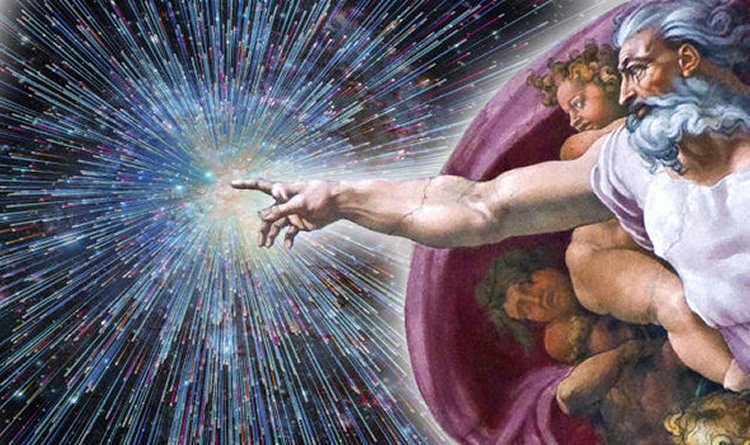
“Something did not come from nothing. The universe still is nothing, it’s just more elegantly ordered nothing.”

God Didn’t Create The Universe – Physicists Report New Shocking Discovery

MessageToEagle.com – A team of scientists have made what may turn out to be the most important discovery in history – how the universe came into being from nothing. The colossal question has troubled religions, philosophers and scientists since the dawn of time but now a Canadian team believe they have solved the riddle. And

God Didn’t Create The Universe – Physicists Report New Shocking Discovery Read More »

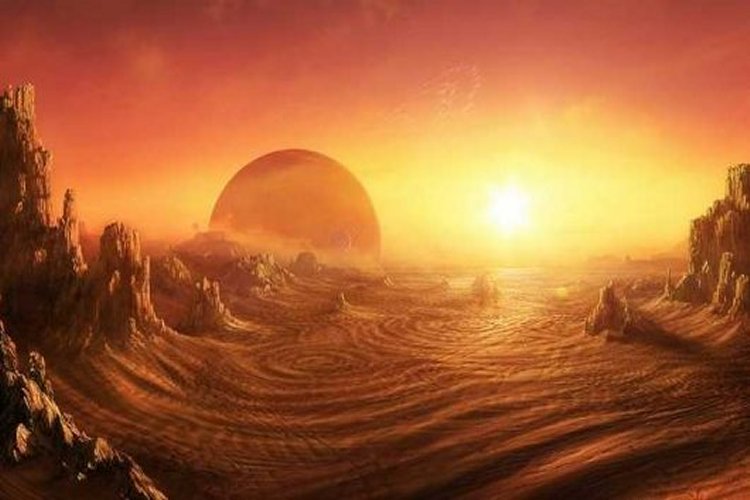
Sunrise on an alien desert planet.

Aliens Living On Desert Worlds

MessageToEagle.com – In Frank Herbert’s science fiction novel Dune, planet Arrakis is a vast desert world, inhabited by sandworms and Bedouin-like humans called the Fremen. Could such hot desert planets be home to certain extraterrestrial life-forms? Studies suggest that desert planets could be more common type of habitable planet in the galaxy, rather than watery

Aliens Living On Desert Worlds Read More »

Most Unusual Star In Our Galaxy And Strange ‘Traffic’ Around it – Alien Structures Or Just Break-Up Of An Exocomet?

MessageToEagle.com – Has the Kepler Space Telescope spotted structures built by an alien civilization between two constellations Cygnus and Lyra located in the Northern hemisphere? Or is it only the break-up of a exocomet orbiting a distant star? The structures (a strange mess of objects) are located around – an unusual, invisible to the naked

Most Unusual Star In Our Galaxy And Strange ‘Traffic’ Around it – Alien Structures Or Just Break-Up Of An Exocomet? Read More »

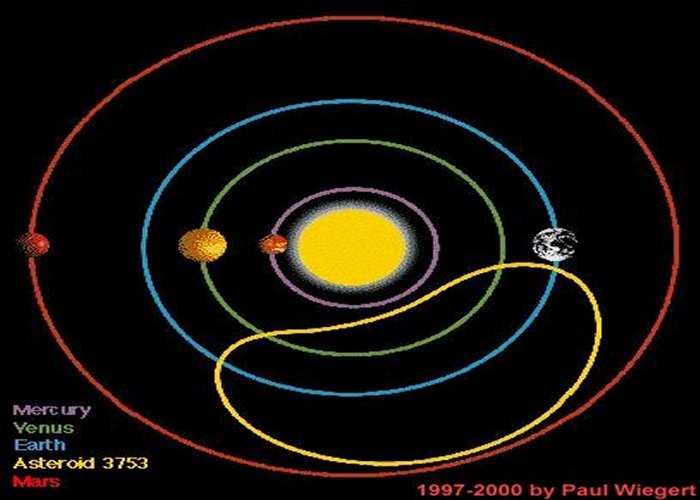
Cruithne – Strange And Fascinating Celestial Body Dancing Back And Forth

A. Sutherland – MessageToEagle.com – Except for the Moon, our planet has also another celestial companion in its vicinity. The object’s name is Cruithne (or 3753 Cruithne) often called Earth’s “second moon”. One orbit of Cruithne takes almost a year (orbital period: 364.019 days) similar to the Earth and the Moon. Based on astronomical calculations,

Cruithne – Strange And Fascinating Celestial Body Dancing Back And Forth Read More »