Astronomy

Astronomy

Our Universe is amazing and full of cosmic mysteries and curious anomalies. Since the dawn of history, humans have gazed at the night sky and wondered what is really out there. Where can we find extraterrestrials? What would alien worlds look like? There is still so much we don’t know about the Universe.

In this section, we take you on a journey to distant worlds and explore the secrets of our universe. You’ll find here the latest astronomy news, remarkable facts about the cosmos and space mysteries scientists are still trying to solve.

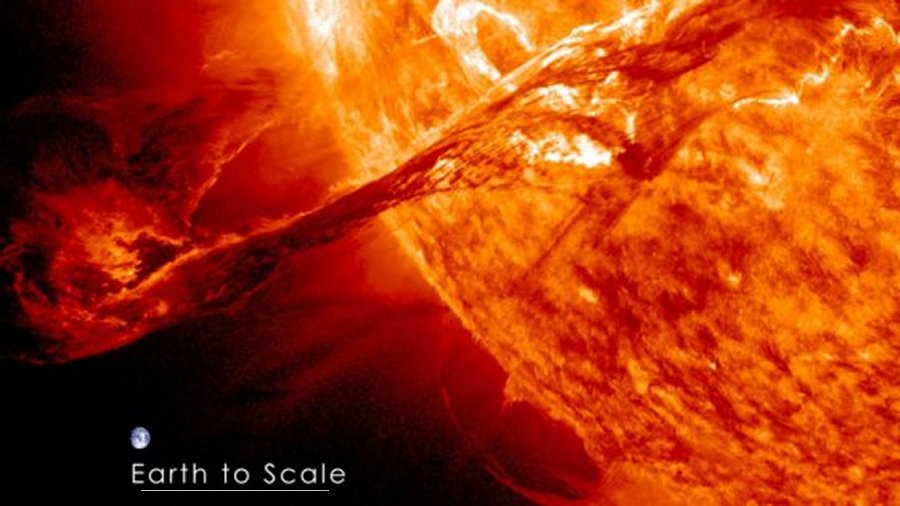
Solar flares can be very powerful. Our planet is very small compared to large solar flares.

Crucial Milestone In Helping Predict Dangerous Solar Flares And Potentially Catastrophic ‘Space Weather’

MessageToEagle.com – Solar flares are massive explosions of energy in the Sun’s atmosphere. Experts have warned that even a single ‘monster’ solar flare could cause up to $2 trillion worth of damage on Earth, including the loss of satellites and electricity grids, as well the potential knock-on dangers to human life and health. A key goal

Crucial Milestone In Helping Predict Dangerous Solar Flares And Potentially Catastrophic ‘Space Weather’ Read More »

During Expedition 45, crew members will install equipment and conduct experiments that help researchers study dark matter and cosmic rays, investigate the interactions of flames on the motion and ignition of droplets, and assess the effects of spaceflight on chromosomal telomeres. Investigations like these demonstrate how space station crews help advance NASA's journey to Mars while making discoveries that can benefit all of humanity

The ‘Omics’ of Space Travel: How Do Astronauts’ Bodies Respond To Long-Duration Space Travel?

MessageToEagle.com – During an unprecedented 1-year mission to the International Space Station, scientists are studying how astronauts’ bodies respond to long-duration space travel. The human body is incredibly complex. Every part of us—from our bones to our blood cells—is subject to a host of chemical reactions and molecular interactions that, without our conscious effort, keep us

The ‘Omics’ of Space Travel: How Do Astronauts’ Bodies Respond To Long-Duration Space Travel? Read More »

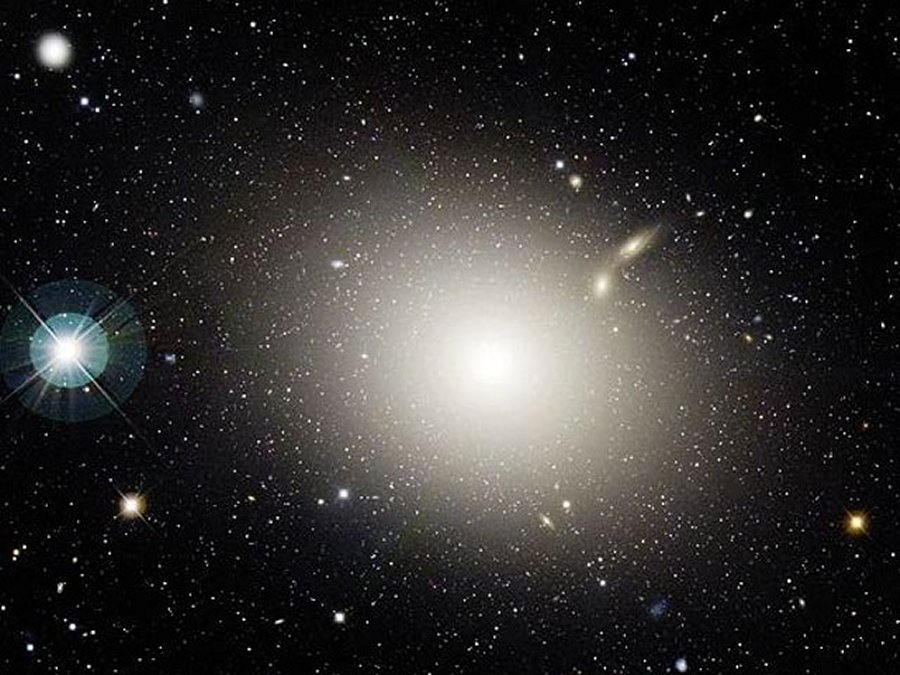
Elliptical Galaxy M87 Credit & Copyright: Canada-France-Hawaii Telescope, J.-C. Cuillandre (CFHT), Coelum

“Heartbeats” Of Stars In Distant Elliptical Galaxy M87 – Measured

MessageToEagle.com – Using a novel technique, astronomers have detected thousands of stellar “pulses” in the elliptical galaxy Messier 87 (M87), located 53 million light-years from Earth in the constellation Virgo. Their measurements offer a new way of determining a galaxy’s age. We tend to think of stars as stable and unchanging. We can also say that

“Heartbeats” Of Stars In Distant Elliptical Galaxy M87 – Measured Read More »

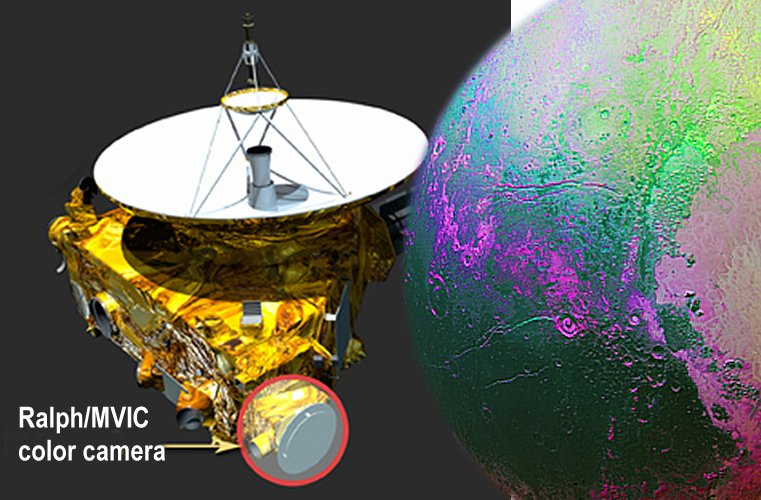
Psychedelic Pluto – In Beautiful Rainbow Colors Presented By New Horizon Team

MessageToEagle.com – New Horizons scientists present Pluto in beautiful rainbow colors. This false color image of Pluto was possible to obtain by using a technique called “principal component analysis” to highlight the many subtle color differences between Pluto’s distinct regions of the surface. The image data were collected by the spacecraft’s Ralph/MVIC color camera on July

Psychedelic Pluto – In Beautiful Rainbow Colors Presented By New Horizon Team Read More »

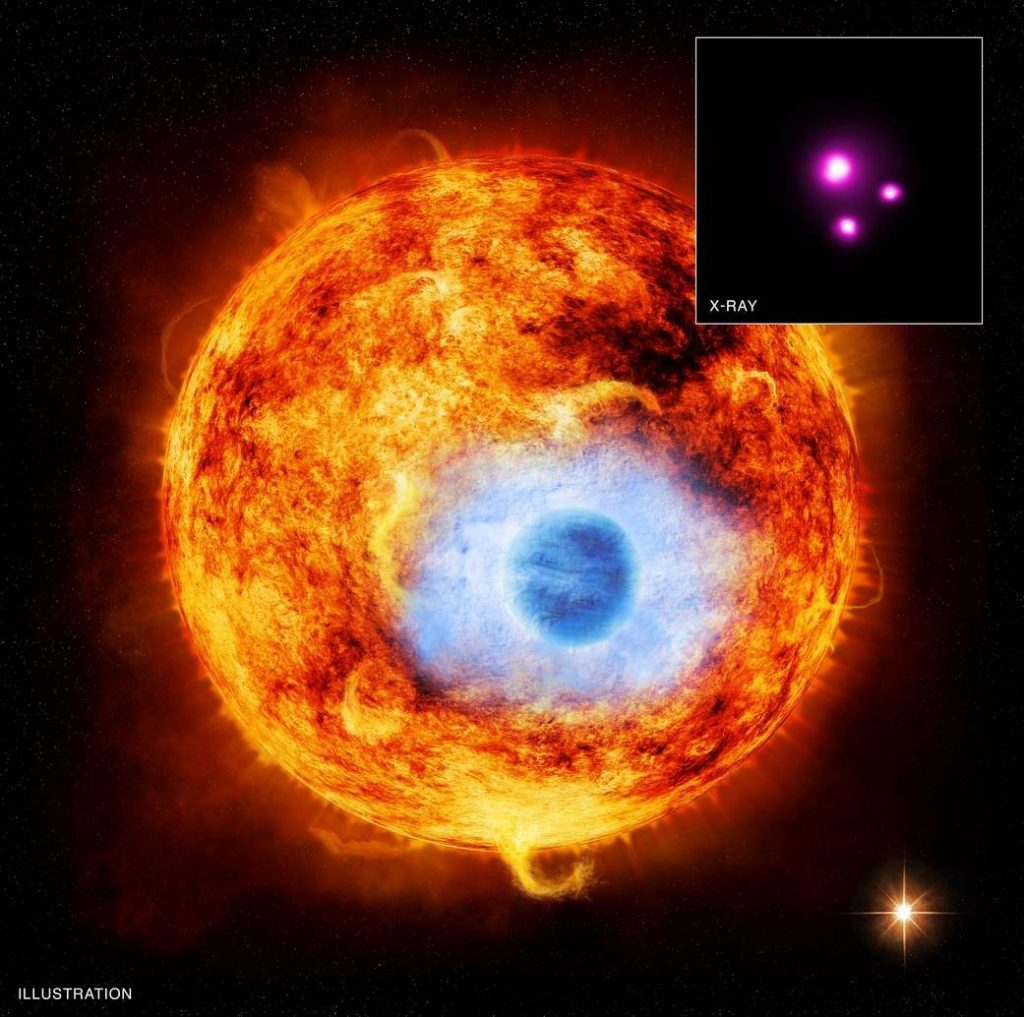
This graphic depicts HD 189733b, the first exoplanet caught passing in front of its parent star in X-rays. Credits: X-ray: NASA/CXC/SAO/K. Poppenhaeger et al; Illustration: NASA/CXC/M. Weiss

Exoplanet HD 189733b Is Facing Wind Speed Of 5,400 Miles Per Hour

MessageToEagle.com – Exoplanets give incredibly interesting insights about the conditions and weather patterns in different planetary systems. One such exoplanet is HD 189733b, which is among the most studied class of exoplanets called ‘Hot Jupiters’. Astronomers from the University of Warwick have calculated that winds of over 2km per second have been discovered flowing around this

Exoplanet HD 189733b Is Facing Wind Speed Of 5,400 Miles Per Hour Read More »

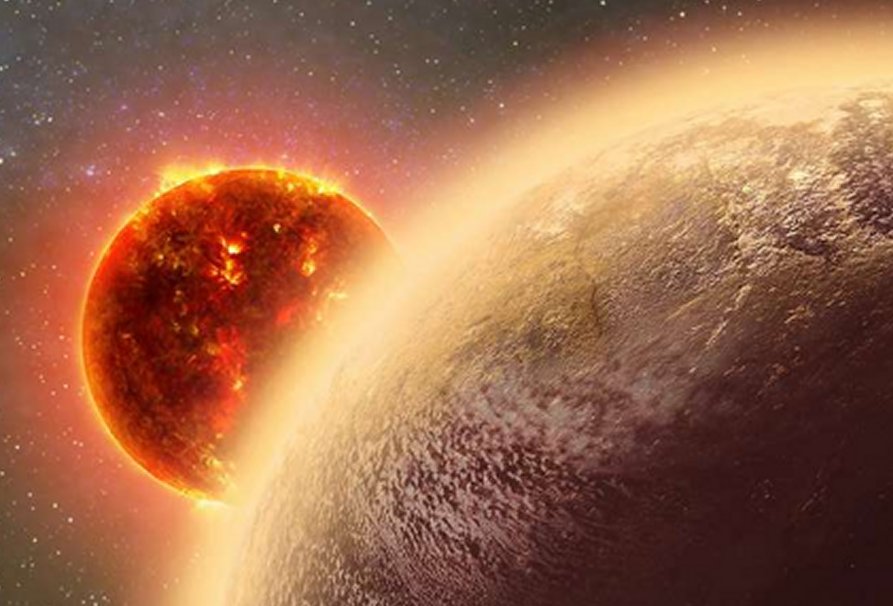
"This planet is going to be a favorite target of astronomers for years to come"

New Exoplanet Discovered – Larger Than Earth, With A Star Much Weaker Than The Sun –

MessageToEagle.com – A new exoplanet located only 39 light-years away has been discovered by a team of astronomers using the MEarth-South array, located at the Cerro-Tololo Inter-American Observatory in Chile and hunting terrestrial worlds orbiting red dwarf stars. The newfound world named GJ 1132b is hot as an oven, but at the same time, is cool enough 

New Exoplanet Discovered – Larger Than Earth, With A Star Much Weaker Than The Sun – Read More »

Light material emplaced within darker vein material is seen in this view of a mineral vein at the "Garden City" site on lower Mount Sharp, Mars. The Mars Hand Lens Imager (MAHLI) on the arm of NASA's Curiosity Mars Rover took the image on April 4, 2015. The area shown is roughly 0.4 inch wide. Credits: NASA/JPL-Caltech/MSSS

Martian ‘Garden City’ Of Prominent Mineral Veins On Mount Sharp

MessageToEagle.com – A network of prominent mineral veins below a cap rock ridge on lower Mount Sharp has been revealed by the Mast Camera (Mastcam) on NASA’s Curiosity Mars rover. Curiosity examined bright and dark mineral veins in March 2015 at a site called “Garden City,” where some veins protrude as high as two finger widths above the

Martian ‘Garden City’ Of Prominent Mineral Veins On Mount Sharp Read More »