Astronomy

Astronomy

Our Universe is amazing and full of cosmic mysteries and curious anomalies. Since the dawn of history, humans have gazed at the night sky and wondered what is really out there. Where can we find extraterrestrials? What would alien worlds look like? There is still so much we don’t know about the Universe.

In this section, we take you on a journey to distant worlds and explore the secrets of our universe. You’ll find here the latest astronomy news, remarkable facts about the cosmos and space mysteries scientists are still trying to solve.

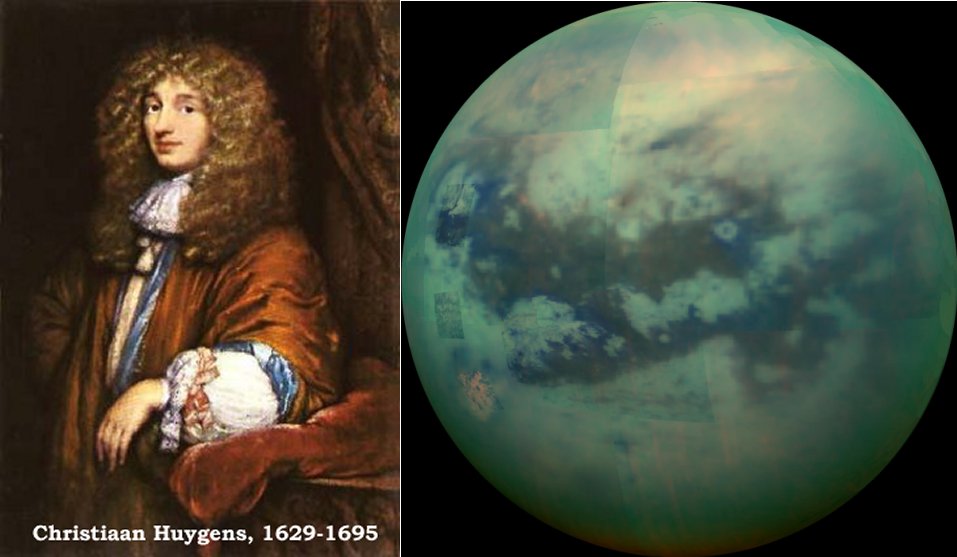
In 1655 Christiaan Huygens, a Dutch amateur astronomer, discovered Saturn's satellite Titan.

On This Day In History: Christiaan Huygens Discovers Saturn’s Largest Moon Titan – On Mar 25, 1655

MessageToEagle.com – On March 25, 1655, Christiaan Huygens, a Dutch amateur astronomer, discovered Saturn’s satellite Titan, named for its great size (half that of the Earth’s) and thought to be the largest moon in our solar system thanks to its extended atmosphere. Born in 1629, Huygens came from a wealthy and well-connected Dutch family; he studied
On This Day In History: Christiaan Huygens Discovers Saturn’s Largest Moon Titan – On Mar 25, 1655 Read More »

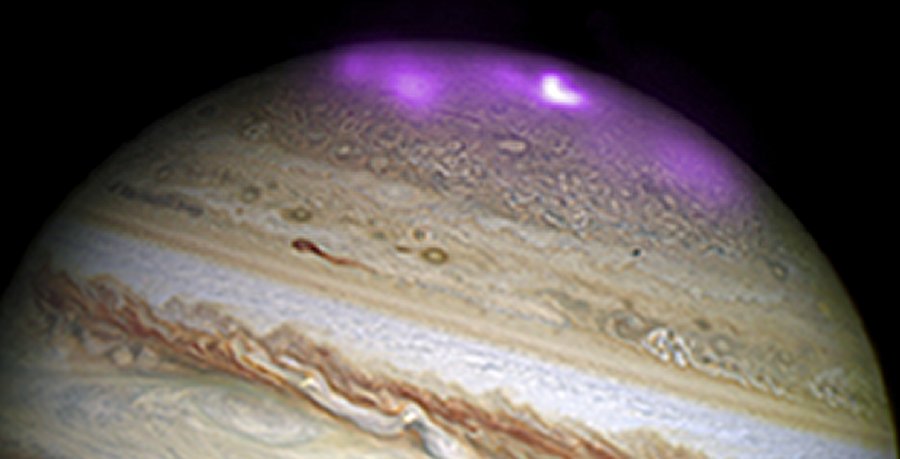
Jupiter's X-ray emission is shown in magenta and white, for the brightest spot, overlaid on a Hubble Space Telescope optical image. X-RAY: NASA/CXC/UCL/W.DUNN ET AL, OPTICAL: NASA/STSCI

Solar Storms Ignite X-ray “Northern Lights” On Jupiter

MessageToEagle.com – Solar storms are triggering X-ray auroras on Jupiter that are about eight times brighter than normal over a large area of the planet and hundreds of times more energetic than Earth’s “northern lights,” according to a new study using data from NASA’s Chandra X-ray Observatory. This result is the first time that Jupiter’s auroras

Solar Storms Ignite X-ray “Northern Lights” On Jupiter Read More »

An artist's rendering shows the planet HD 20782, the most eccentric planet ever known, passing its star in close orbit. SF State Assistant Professor of Physics and Astronomy Stephen Kane is the lead author on a study detailing the planet's highly irregular orbit. Credit: NASA

HD 20782: A Highly ‘Eccentric’ Planet About 117 Light-Years From Earth – Observed

MessageToEagle.com – Astronomers have observed an extrasolar planet about 117 light-years from earth that boasts the most eccentric orbit yet seen. A team led by San Francisco State University astronomer Stephen Kane, detected a signal of reflected light from the planet known as HD 20782 — a “flash” of starlight bouncing off the eccentric planet’s atmosphere

HD 20782: A Highly ‘Eccentric’ Planet About 117 Light-Years From Earth – Observed Read More »

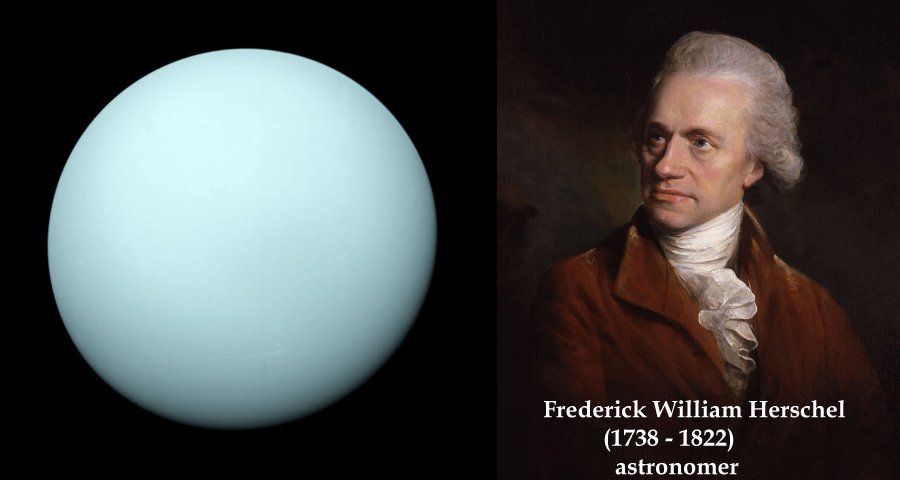
William Herschel and Uranus

On This Day In History: Astronomer Sir William Herschel Announces Discovery Of Uranus – On Mar 13, 1781

MessageTo Eagle.com – On March 13th, 1781, astronomer Sir Frederick William Herschel announced the discovery of the planet Uranus. Uranus wasn’t officially discovered until 1781. Ancient Babylonians knew about all of the planets from Mercury to Saturn long before that. Why did it take so long for people to find lonely Uranus? Actually, it wasn’t a

On This Day In History: Astronomer Sir William Herschel Announces Discovery Of Uranus – On Mar 13, 1781 Read More »

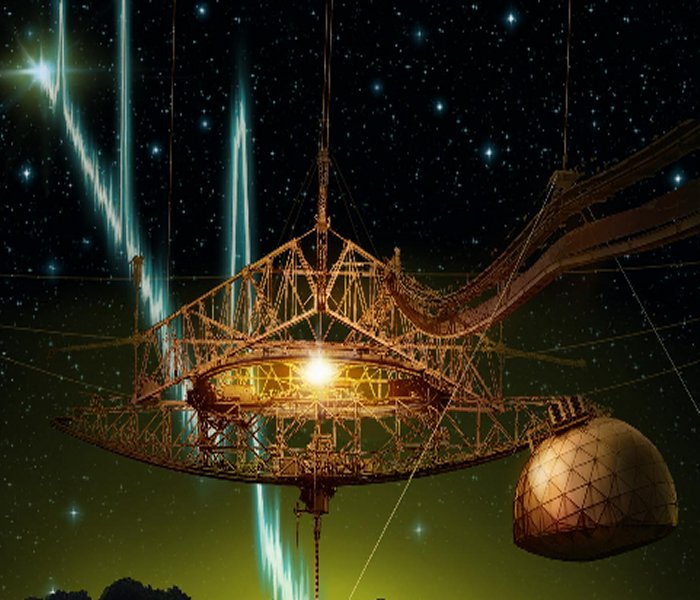
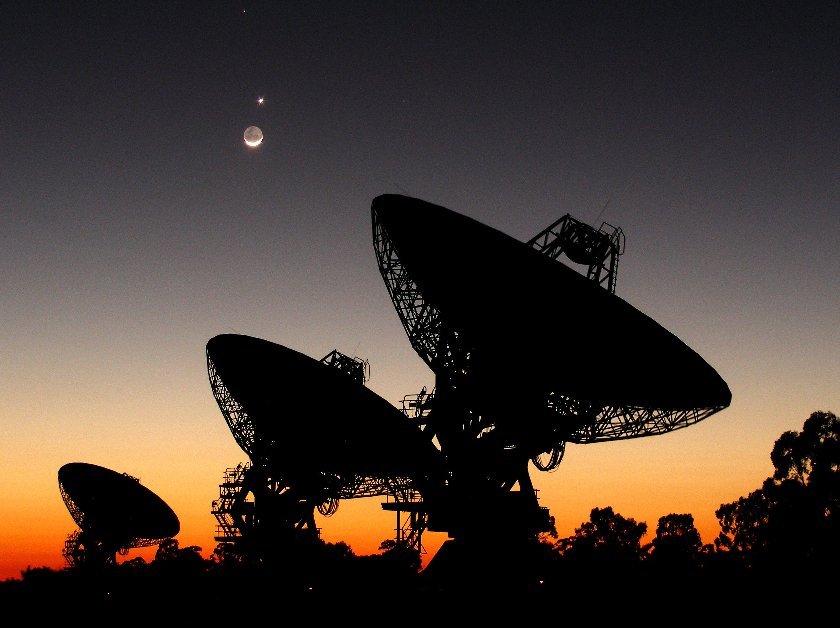
What If Extraterrestrial Observers Called, But Nobody Heard? – Researchers Ask

MessageToEagle.com – Now, two astrophysicists are proposing a way to make sure we don’t miss the signal if extraterrestrial observers try to contact us first. René Heller and Ralph Pudritz say the best chance for us finding a signal from beyond is to presume that extraterrestrial observers are using the same methods to search for us

What If Extraterrestrial Observers Called, But Nobody Heard? – Researchers Ask Read More »

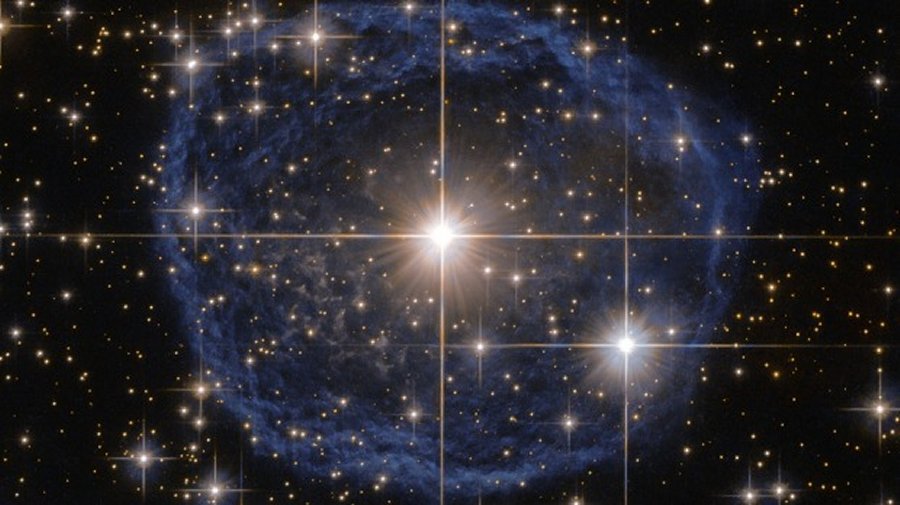
Sparkling at the centre of this beautiful NASA/ESA Hubble Space Telescope image is a Wolf Rayet star. ESA/Hubble & NASA

Blue Bubble Encircling A Wolf–Rayet Star – Hubble’s New Spectacular Image

MessageToEagle.com – A spectacular image of a blue bubble around a a Wolf–Rayet star known as WR 31a, has been captured by the Hubble Space Telescope. WR 31a is located about 30,000 light-years away in the constellation of Carina (The Keel), according to the European Space Agency, in a press release on NASA’s website. The distinctive

Blue Bubble Encircling A Wolf–Rayet Star – Hubble’s New Spectacular Image Read More »

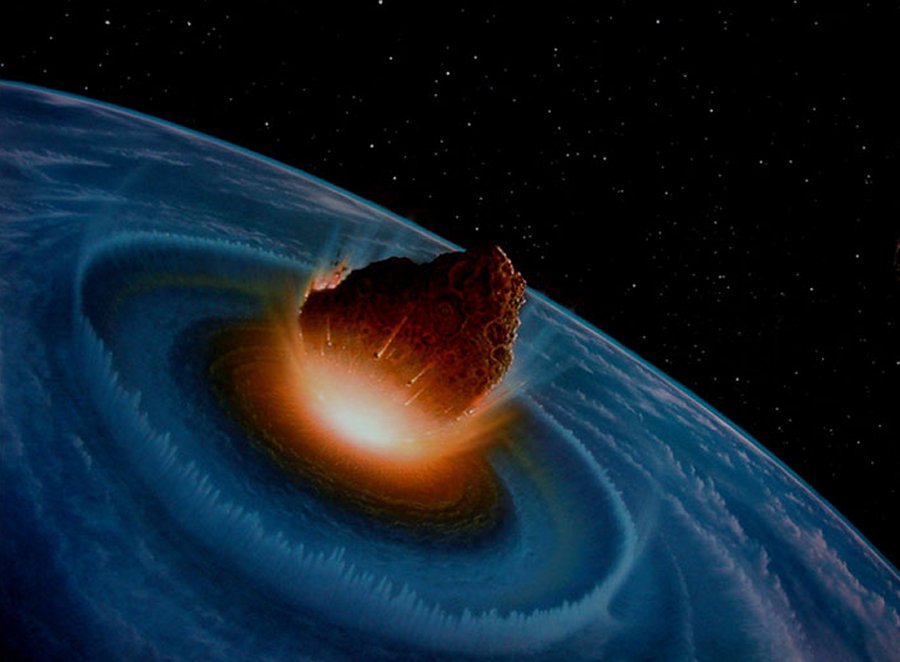
Studies show that the samples from Asia, Australia, Canada and Central America are virtually identical in age, although in some cases their chemistry differs markedly. This points to separate impacts that must have occurred around the same time.

Multiple Cosmic Impacts Took Place On Earth 790,000 Years Ago

MessageToEagle.com – Cosmic impacts on Earth have a very long history. Approximately 790,000 years ago, there were multiple cosmic impacts on earth with global consequences, say geoscientists from Heidelberg University.  In a new study, the researchers led by Prof. Dr. Mario Trieloff, dated so-called tektites from various parts of the world. They studied several rock glasses

Multiple Cosmic Impacts Took Place On Earth 790,000 Years Ago Read More »