Astronomy

Astronomy

Our Universe is amazing and full of cosmic mysteries and curious anomalies. Since the dawn of history, humans have gazed at the night sky and wondered what is really out there. Where can we find extraterrestrials? What would alien worlds look like? There is still so much we don’t know about the Universe.

In this section, we take you on a journey to distant worlds and explore the secrets of our universe. You’ll find here the latest astronomy news, remarkable facts about the cosmos and space mysteries scientists are still trying to solve.

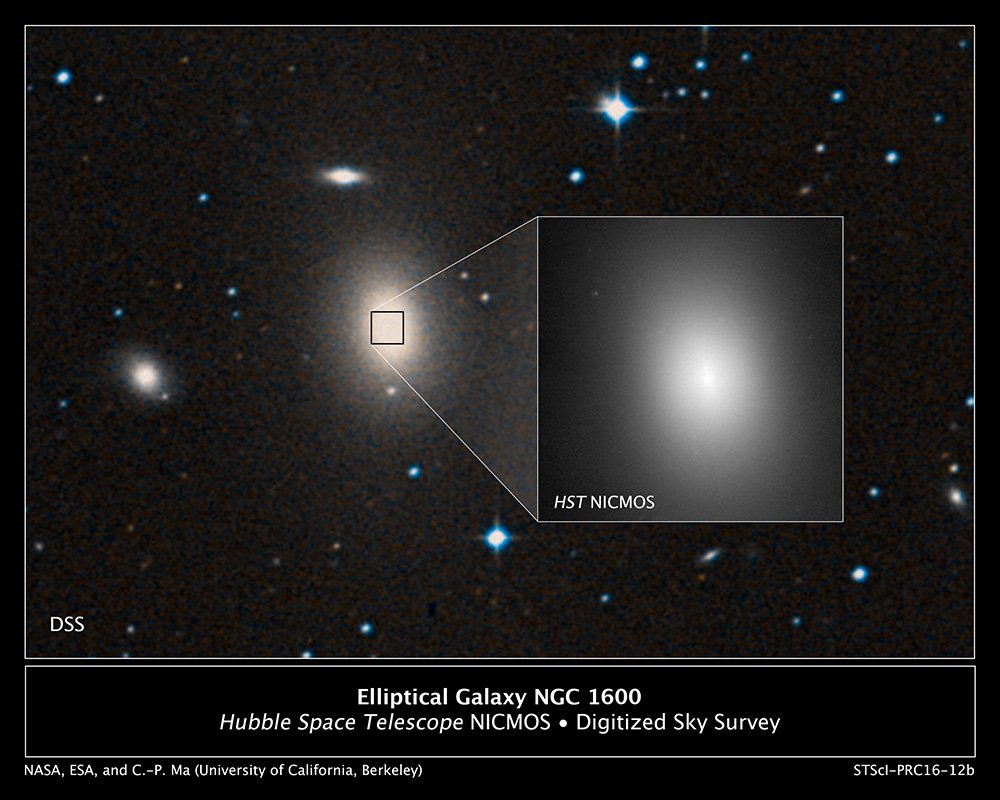
A sky survey image of the massive galaxy NGC 1600, and a Hubble Space Telescope near-infrared closeup of the bright center of the galaxy where the 17-billion-solar-mass black hole — or binary black hole — resides. Digitized Sky Survey (DSS), STScI/AURA, Palomar/Caltech, UKSTU/AAO, and A. Quillen (University of Rochester).

Huge Black Hole With A Mass Of 17 Billion Suns Found In A Sparse Area Of Universe

MessageToEagle.com – A near-record supermassive black hole discovered in a sparse area of the local universe indicate that these monster objects may be more common than once thought, according to UC Berkeley astronomers. Until now, the biggest supermassive black holes — those with masses at or near 10 billion times that of our sun — have

Huge Black Hole With A Mass Of 17 Billion Suns Found In A Sparse Area Of Universe Read More »
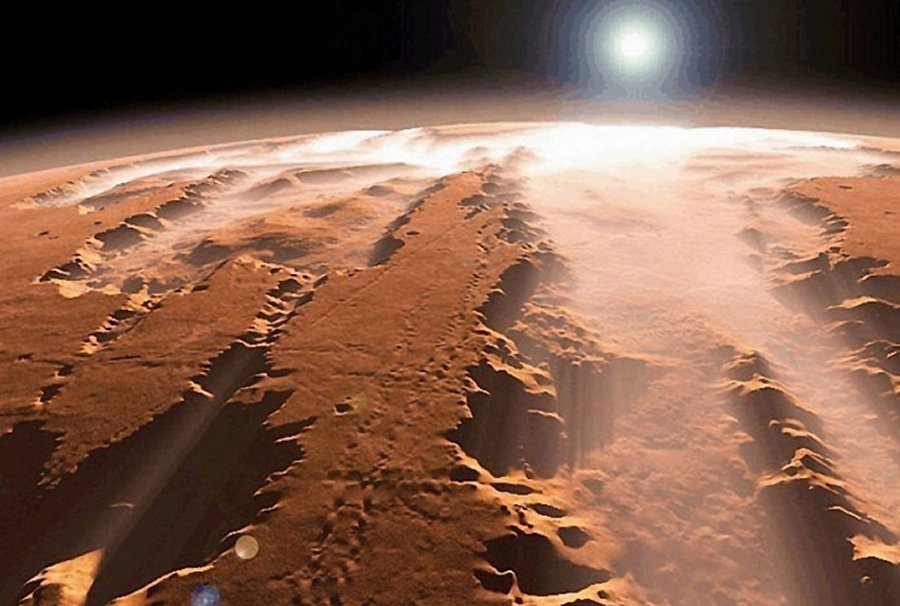
Much of the action on Mars occurred during a period known as the Late Heavy Bombardment about 3.9 billion years ago when the developing solar system was a shooting gallery of comets, asteroids, moons and planets Credits: NASA

Comets And Asteroids Likely Enhanced Life-Supporting Habitat On Red Planet

MessageToEagle.com – The bombardment of Mars some 4 billion years ago by comets and asteroids likely enhanced climate conditions enough to make the planet more conducive to life, at least for a time, according to a new study by researchers from the University of Colorado Boulder. If early Mars was as barren and cold as it

Comets And Asteroids Likely Enhanced Life-Supporting Habitat On Red Planet Read More »

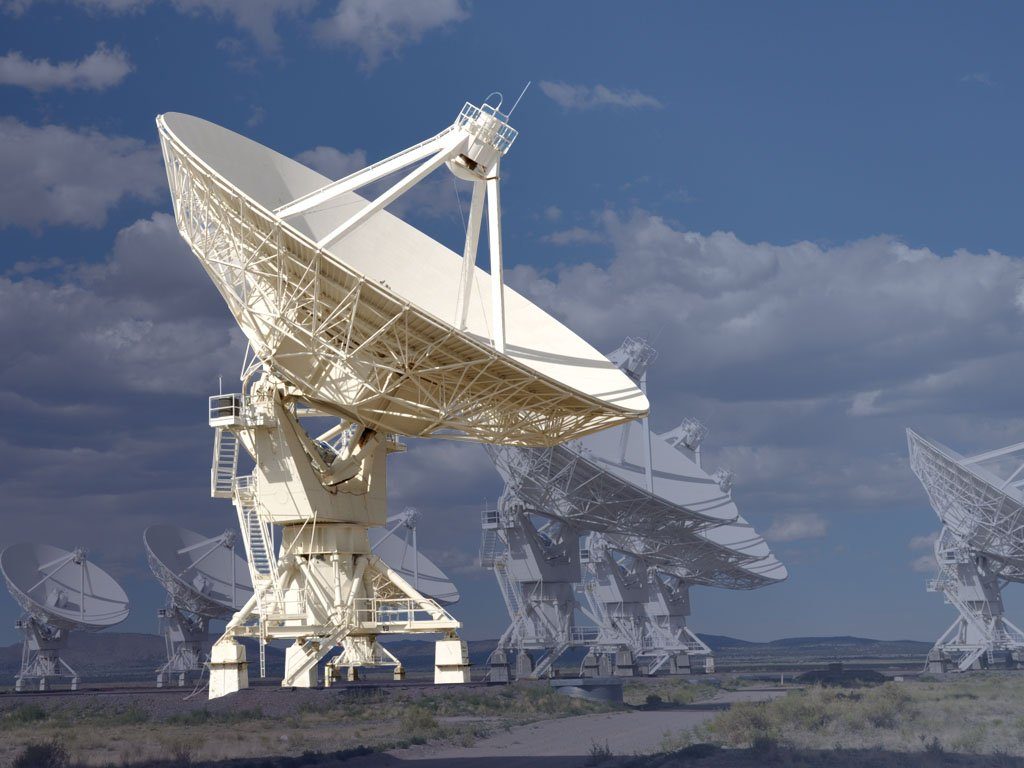
VLA. credits: NRAO

Fast Radio Burst ‘Afterglow’ Was A Flickering Supermassive Black Hole

MessageToEagle.com – New research by Harvard astronomers Peter Williams and Edo Berger shows that the radio emission believed to be an afterglow actually originated from a distant galaxy’s core and was unassociated with the fast radio burst. “Part of the scientific process is investigating findings to see if they hold up. In this case, it looks

Fast Radio Burst ‘Afterglow’ Was A Flickering Supermassive Black Hole Read More »

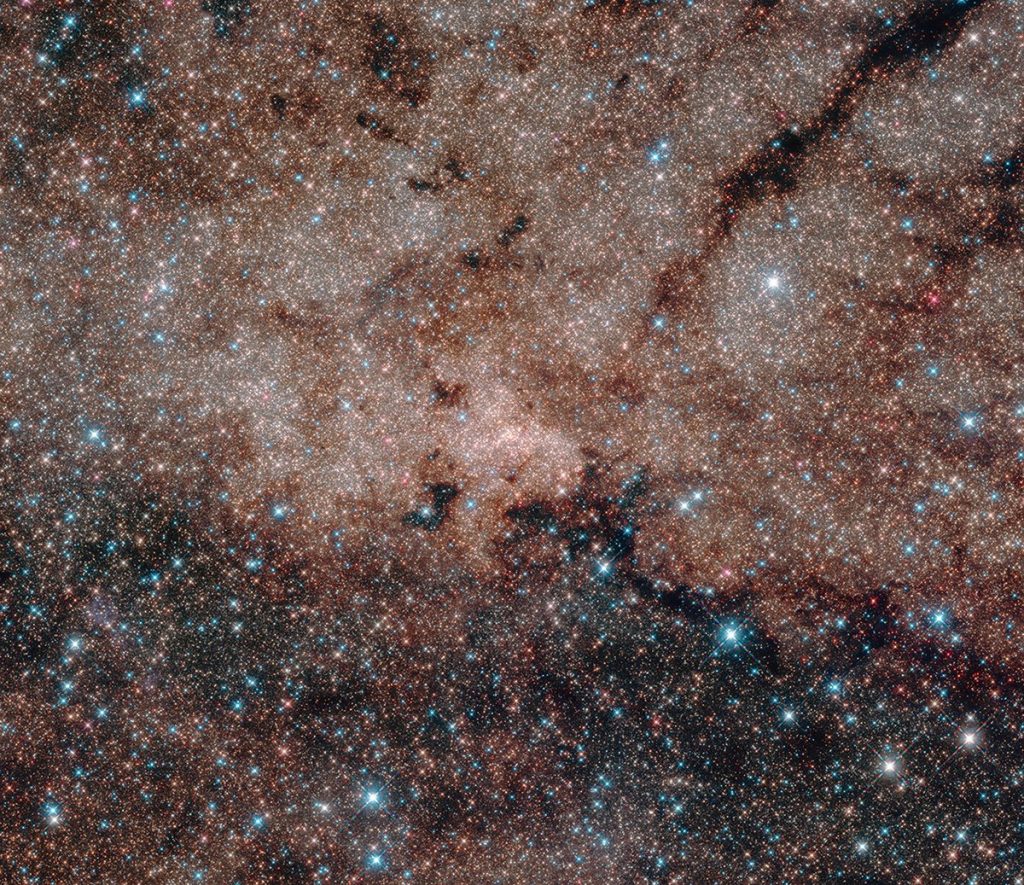
NASA’s Hubble Reveals A Rich Tapestry Of More Than Half A Million Stars

MessageToEagle.com – Peering deep into the heart of our Milky Way galaxy, NASA’s Hubble Space Telescope reveals a rich tapestry of more than half a million stars. Except for a few blue foreground stars, the stars are part of the Milky Way’s nuclear star cluster, the most massive and densest star cluster in our galaxy – equivalent

NASA’s Hubble Reveals A Rich Tapestry Of More Than Half A Million Stars Read More »

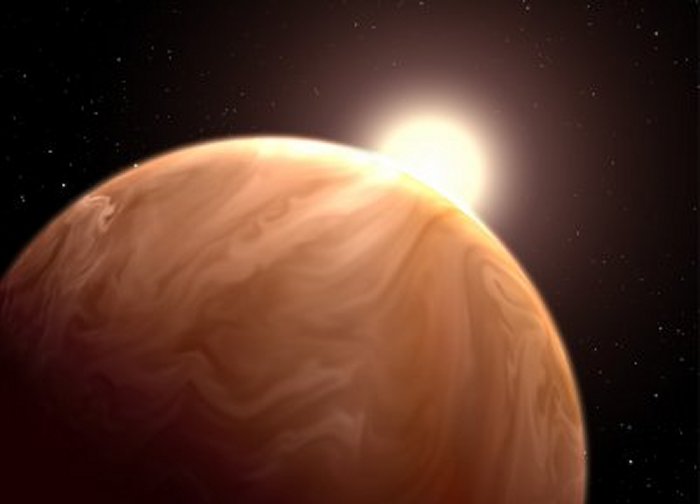
Detailed Map Of Rocky Planet 55 Cancri e Created By Astronomers

MessageToEagle.com – The most detailed map of a small, rocky ‘super Earth’ to date has been created by an international team of astronomers, led by the University of Cambridge. It reveals a planet almost completely covered by lava, with a molten ‘hot’ side and solid ‘cool’ side. Using data from NASA’s Spitzer Space Telescope, the researchers examined

Detailed Map Of Rocky Planet 55 Cancri e Created By Astronomers Read More »

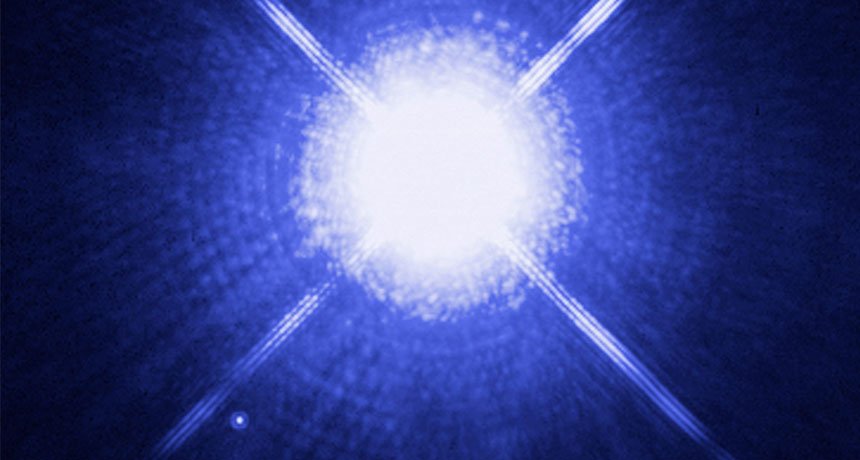
© NASA, ESA, H. Bond (STScI) and M. Barstow (University of Leicester)

White Dwarf Composed Almost Entirely Of Pure Oxygen – Discovered In Constellation Draco

MessageToEagle.com – A newly discovered white dwarf, about 1,200 light-years away in the constellation Draco, has no hydrogen or helium at its surface. Instead, a star – nicknamed SDSS J124043.01+671034.68 (or ‘Dox’) has an atmosphere made up of 99.9 percent oxygen, researchers say. “We only found one, so it is a rare event,” says study coauthor Kepler

White Dwarf Composed Almost Entirely Of Pure Oxygen – Discovered In Constellation Draco Read More »

"What's really exciting is the possibility that a distant planet may have had a significant influence on the evolution of life on Earth. "

Earth’s Periodic Mass Extinctions Linked to Planet X – Researcher Says

MessageToEagle.com – Periodic mass extinctions on Earth, as indicated in the global fossil record, could be linked to a suspected ninth planet, according to research published by a faculty member of the University of Arkansas Department of Mathematical Sciences. Daniel Whitmire, a retired professor of astrophysics now working as a math instructor, published findings in the

Earth’s Periodic Mass Extinctions Linked to Planet X – Researcher Says Read More »

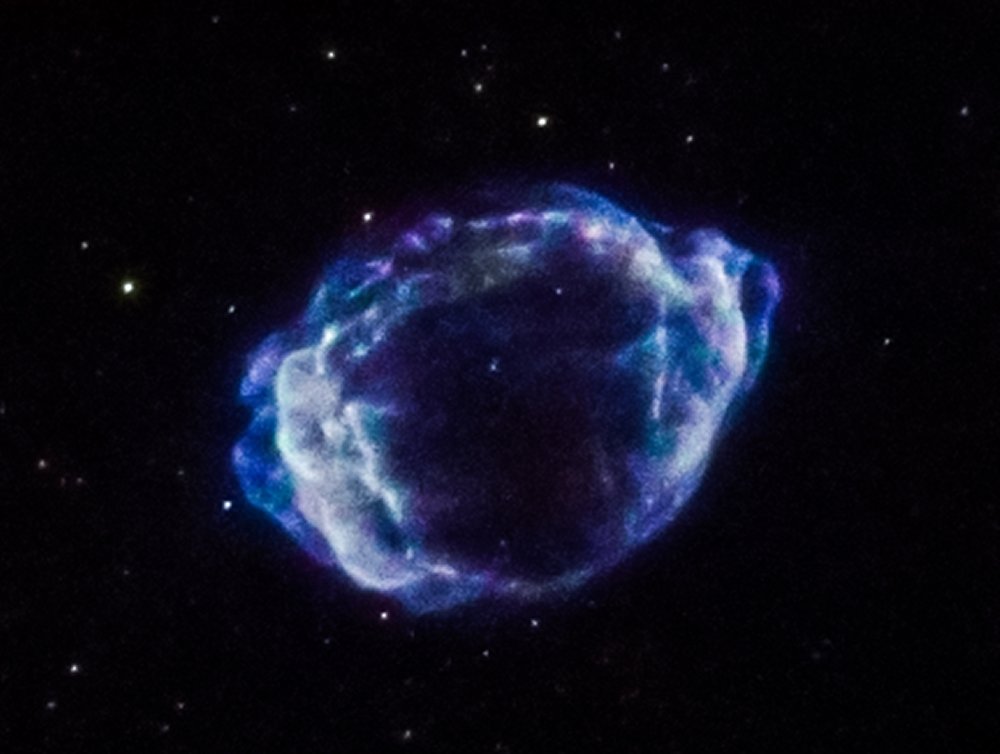
Supernova G1.9+0.3 Credits: NASA/CXC/CfA/S. Chakraborti et al.

Trigger for Milky Way’s Youngest Supernova Identified

MessageToEagle.com – Scientists have used data from NASA’s Chandra X-ray Observatory and the NSF’s Jansky Very Large Array to determine the likely trigger for the most recent supernova in the Milky Way. They applied a new technique that could have implications for understanding other Type Ia supernovas, a class of stellar explosions that scientists use to

Trigger for Milky Way’s Youngest Supernova Identified Read More »

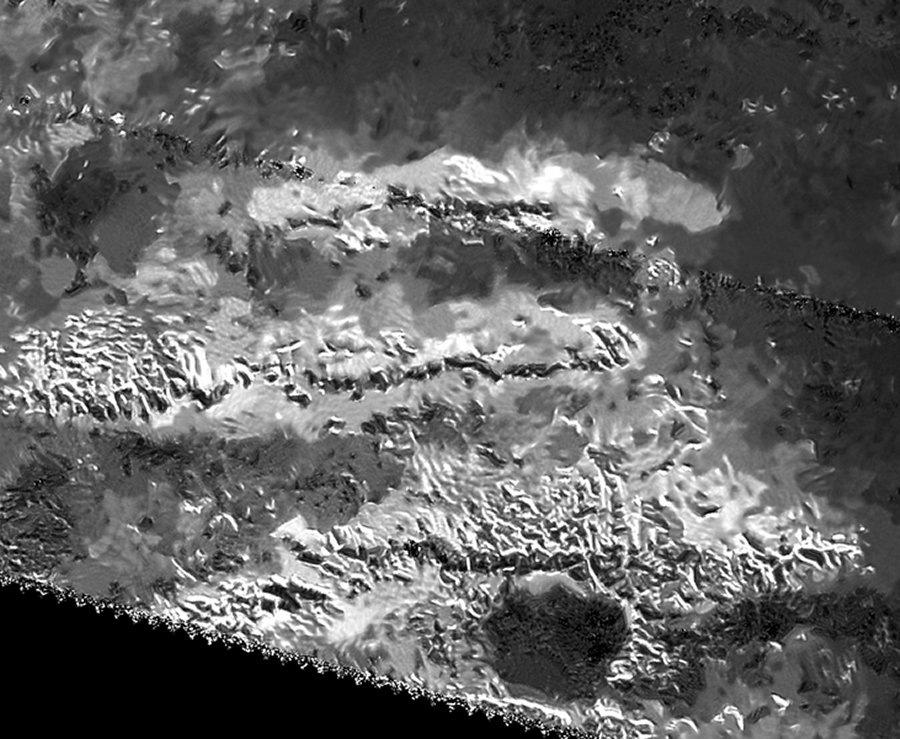
Cassini Spies Titan's Tallest Peaks Radar View of Titan's Tallest Mountains Mountains of Titan Map - 2016 Update The trio of ridges on Titan known as Mithrim Montes is home to the hazy Saturnian moon's tallest peak. Image credit: NASA/JPL-Caltech/ASI

Highest Peak On Saturn’s Largest Moon Titan Revealed In Cassini Spacecraft’s Images

MessageToEagle.com – Titan’s tallest peak is 10,948 feet (3,337 meters) high and is found within a trio of mountainous ridges called the Mithrim Montes, according to a new study of images and other data from NASA’s Cassini spacecraft. The researchers found that all of Titan’s highest peaks are about 10,000 feet (3,000 meters) in elevation. “It’s

Highest Peak On Saturn’s Largest Moon Titan Revealed In Cassini Spacecraft’s Images Read More »