MessageToEagle.com

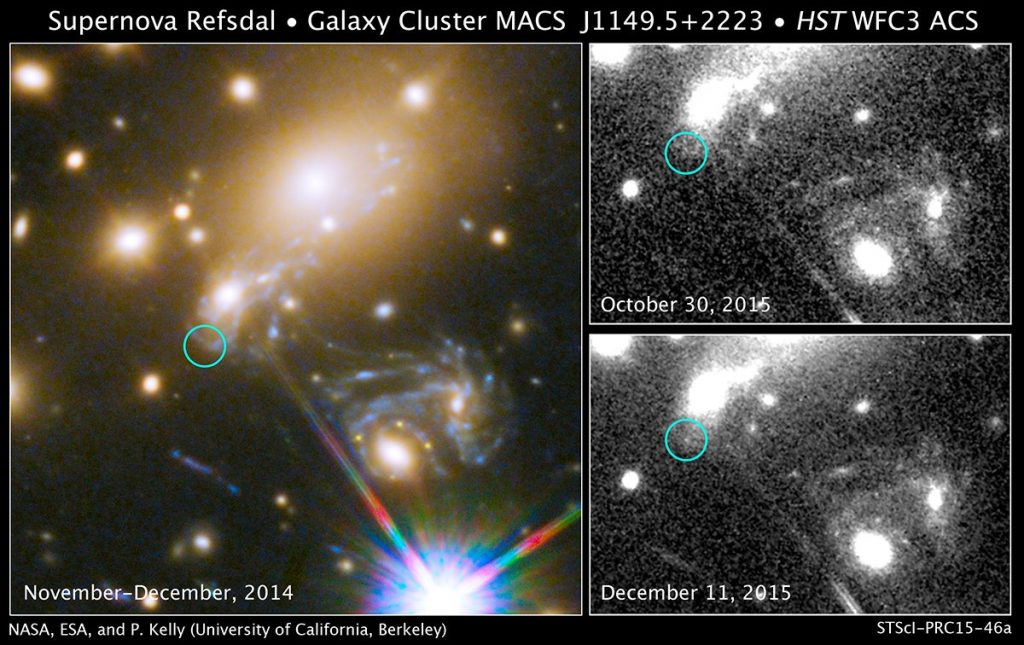
The image on the top right shows observations by Hubble from October 30, 2015, taken at the beginning of the observation program to detect the newest appearance of the supernova.The image on the lower right shows the discovery of the Refsdal supernova on December 11, 2015, as predicted by several different models. Credits: NASA/Hubble

Refsdal Supernova: First-Ever Image Of Predicted Exploding Star Captured By Hubble

MessageToEagle.com – The NASA/ESA Hubble Space Telescope has captured the image of the first-ever predicted supernova explosion. The reappearance of the Refsdal supernova was calculated from different models of the galaxy cluster whose immense gravity is warping the supernova’s light. Many stars end their lives with a bang, but only a few of these stellar explosions

Refsdal Supernova: First-Ever Image Of Predicted Exploding Star Captured By Hubble Read More »
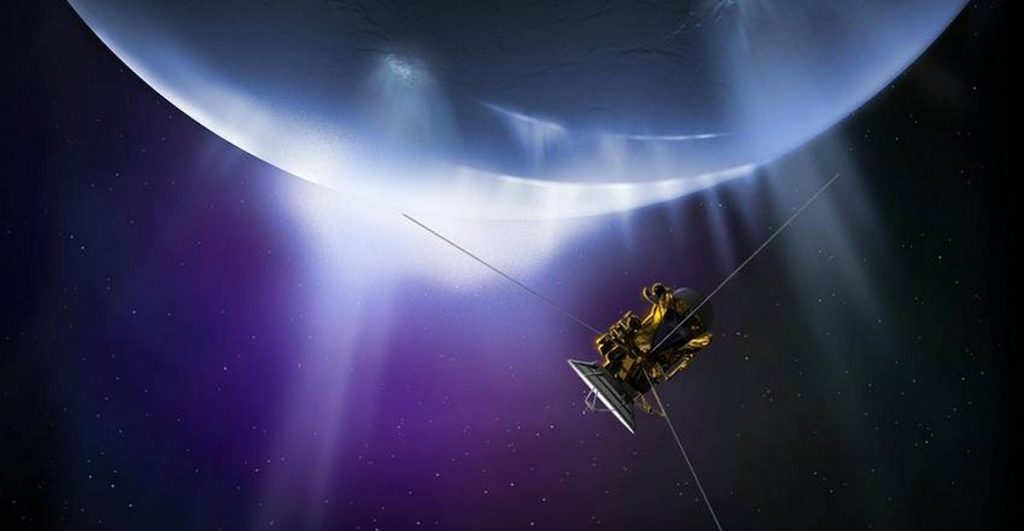
A Thrilling Moment: Cassini Closes In On Enceladus, One Last Time – Dec. 19

MessageToEagle.com – A thrilling chapter in the exploration of the solar system will soon conclude, as NASA’s Saturn-orbiting Cassini spacecraft makes its final close flyby of the ocean-bearing moon Enceladus. Cassini is scheduled to fly past Enceladus at a distance of 3,106 miles (4,999 kilometers) on Saturday, Dec. 19, at 9:49 a.m. PST (12:49 p.m. EST).

A Thrilling Moment: Cassini Closes In On Enceladus, One Last Time – Dec. 19 Read More »

Undead And Mythological Creatures Inspire New Names For Stars, Alien Planets

MessageToEagle.com – The people have spoken: 14 distant stars and 31 alien planets are getting new names that have been selected and voted on by members of the public. And those exoplanet names include some wild ones like Poltergeist, Thestias and even Quijote. Today (Dec. 15), the International Astronomical Union (IAU) announced the winners of its

Undead And Mythological Creatures Inspire New Names For Stars, Alien Planets Read More »

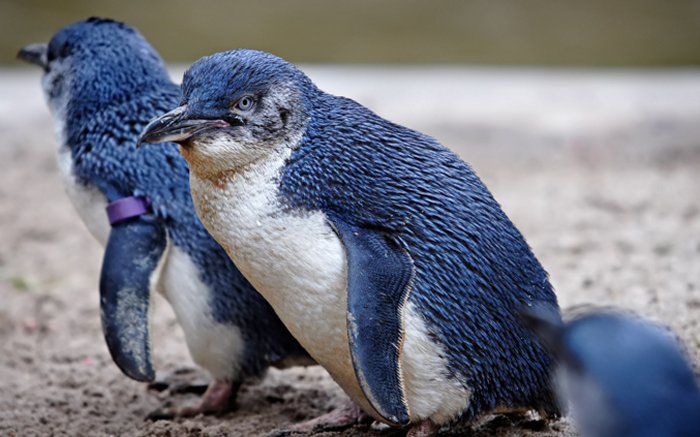
Australian species—Eudyptula novaehollandiae. Credits: www.air-internet-arnhem.net

Australian And New Zealand Little Blue Penguins Are Different Species

MessageToEagle.com – A team of researchers from the University of Otago and University of Tasmania has discovered that Australian and New Zealand little penguins represent two distinct species, rather than one. Scientists had previously wondered about the relationships between populations of the penguin (popularly known as little blue penguins or fairy penguins) found on either side

Australian And New Zealand Little Blue Penguins Are Different Species Read More »

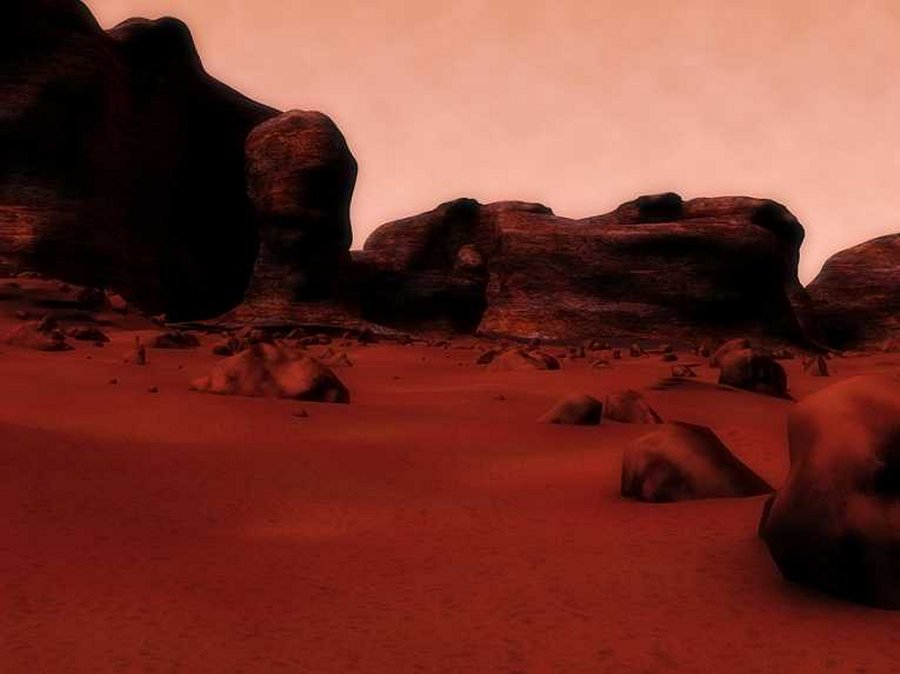
Red Planet. Credit: Mars surface illustration © Eraxion

Evidence Of Recent Clay Formation On Red Planet – Found

MessageToEagle.com – The research conducted by Brown University geologists Ralph Milliken and Vivian Sun, indicates that the clay formation on Mars should not be only related to the planet’s most ancient times. Most of that alteration is thought to have happened during the earliest part of Martian history, more than 3.7 billion years ago. However, there is

Evidence Of Recent Clay Formation On Red Planet – Found Read More »

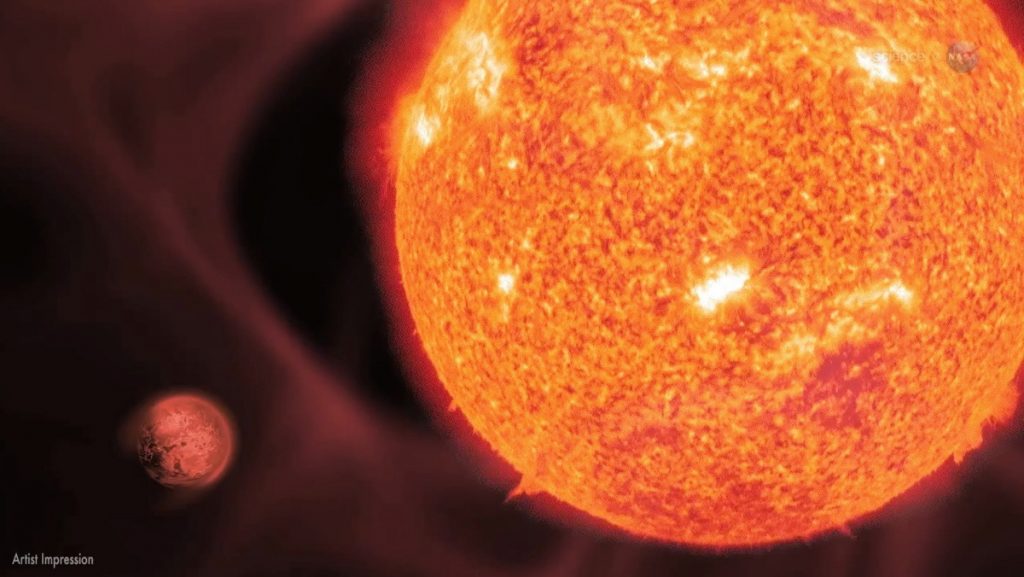
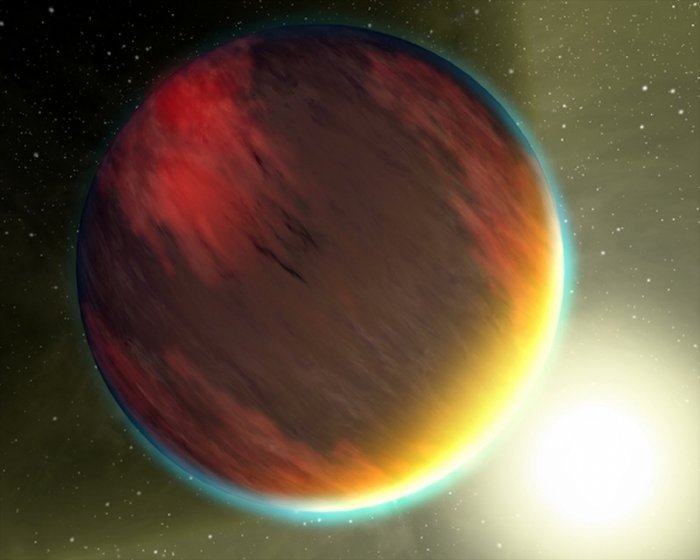
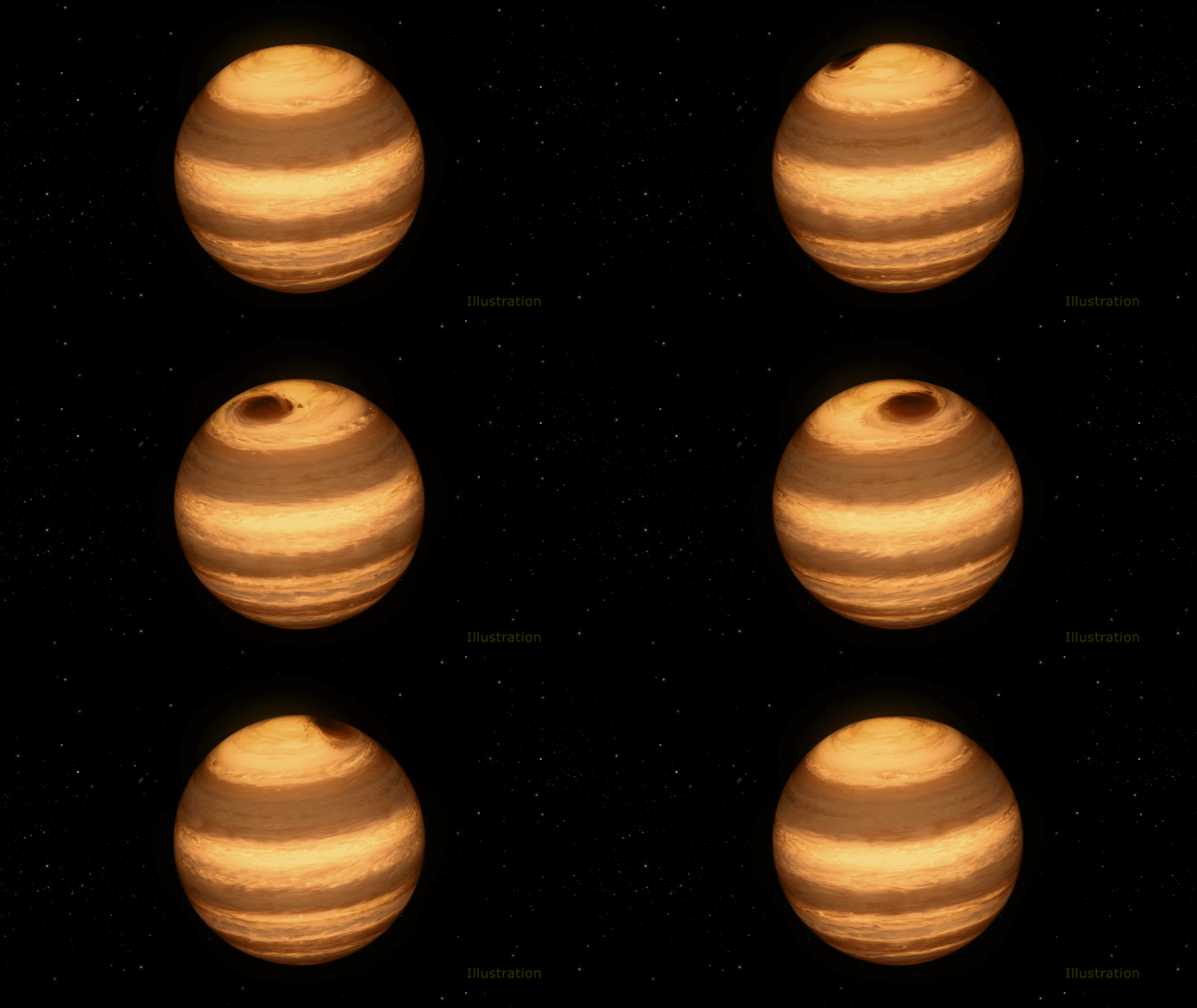
This illustration shows a cool star, called W1906+40, marked by a raging storm near one of its poles. The storm is thought to be similar to the Great Red Spot on Jupiter. Scientists discovered it using NASA's Kepler and Spitzer space telescopes. Credits: NASA/JPL-Caltech

Massive, Cloudy, Jupiter-Like Storm Discovered On Tiny Distant Star

MessageToEagle.com – Astronomers, using data from NASA’s Spitzer and Kepler space telescopes, have discovered a tiny star with a giant, cloudy storm, very similar to Jupiter’s Great Red Spot: a persistent, raging storm larger than Earth. While planets have been known to have cloudy storms, this is the best evidence yet for a star that has

Massive, Cloudy, Jupiter-Like Storm Discovered On Tiny Distant Star Read More »

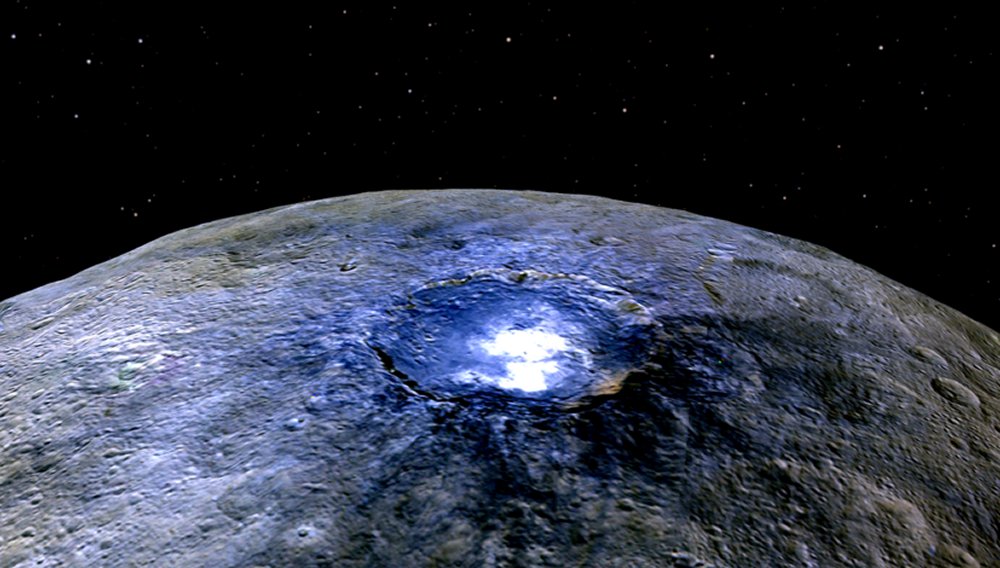
New Clues to Ceres' Bright Spots and Origins Dawn HAMO Image 73Occator in False Color Occator Crater in PerspectiveLateral View of Occator This representation of Ceres' Occator Crater in false colors shows differences in the surface composition. Image Credit: NASA/JPL-Caltech/UCLA/MPS/DLR/IDA

Ceres And Occator Crater Reveal Some Of Their Best-Kept Secrets

MessageToEagle.com – Ceres – a dwarf planet and the largest object in the asteroid belt, which lies between the orbits of Mars and Jupiter – reveals some of its well-kept secrets. Thanks to data delivered by NASA’s Dawn spacecraft, two new studies include highly anticipated insights about mysterious bright features found all over the dwarf planet’s

Ceres And Occator Crater Reveal Some Of Their Best-Kept Secrets Read More »