MessageToEagle.com

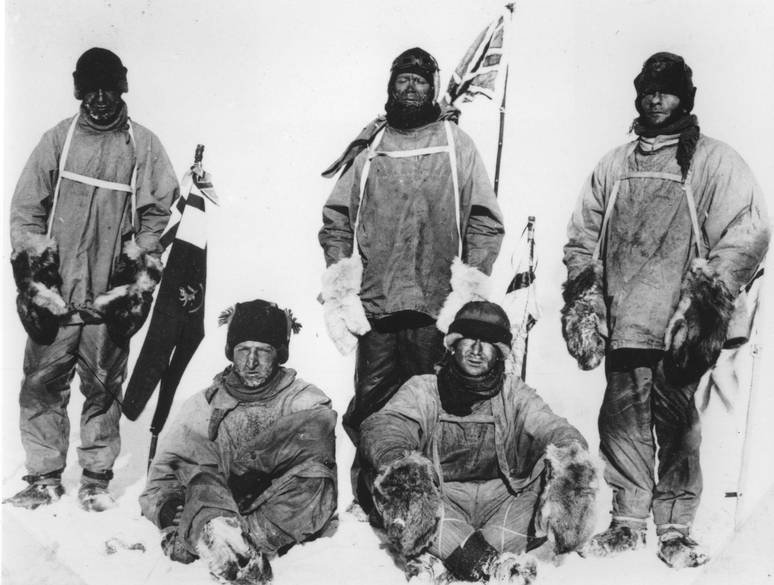
Antarctic explorers: standing, (L-R) Capt Lawrence (Titus) Oates, Capt Robert Falcon Scott, PO Edgar Evans and seated (L-R) Lt Henry (Birdie) Bowers, Dr Edward Adrian Wilson are seen at the South Pole in January 1912. Picture: REUTERS

On This Day In History: Antarctic Explorer Lawrence “Titus” Oates Born – On Mar 17, 1880

MessageToEagle.com – On March 17, 1880, Captain Lawrence “Titus” Oates, an English cavalry officer with the 6th Dragoons, and later an Antarctic explorer, was born in London. He died during the Terra Nova Expedition on the same day in 1912. “I am just going outside and may be some time.” With these words, Antarctic explorer Capt Lawrence

On This Day In History: Antarctic Explorer Lawrence “Titus” Oates Born – On Mar 17, 1880 Read More »

The Mask Temple, Lamanai, Belize

Lamanai, Belize: One Of The Largest And Oldest Maya Cities Dated To 1500 BC

MessageToEagle.com – One of Belize’s largest and oldest continuously occupied Maya sites is – Lamanai, located deep within the jungles of the Orange Walk District on the bansks of along the 30 mile long New River Lagoon in North Central Belize. People lived there from about 1500 BC when maize was being grown at the site,

Lamanai, Belize: One Of The Largest And Oldest Maya Cities Dated To 1500 BC Read More »

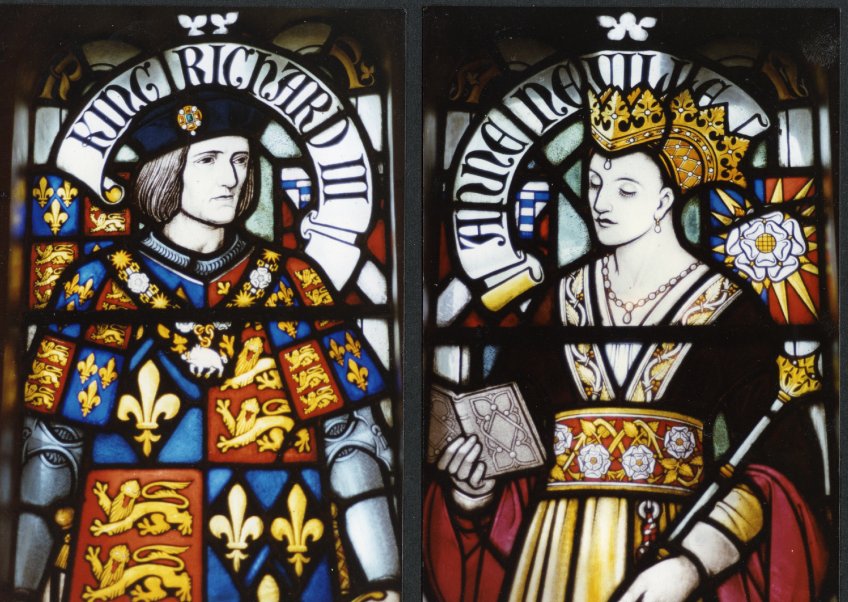
Richard III and Queen Anne Neville – Stained glass window at Cardiff Castle. (Geoff Wheeler, Richard III Society) Via: University of Leicester

On This Day In History: Mysterious Death Of White Queen Anne Neville – On Mar 16, 1485

MessageToEagle.com – On March 16, 1485, Anne Neville, the daughter of Richard Neville, 16th  Earl of Warwick, and Anne Beauchamp, died mysteriously at the age of twenty eight years. Did tuberculosis cause her death or was she poisoned? Anne Neville was born on June 11th 1456, at Warwick Castle, the younger daughter of Richard Neville, 16th Earl of

On This Day In History: Mysterious Death Of White Queen Anne Neville – On Mar 16, 1485 Read More »

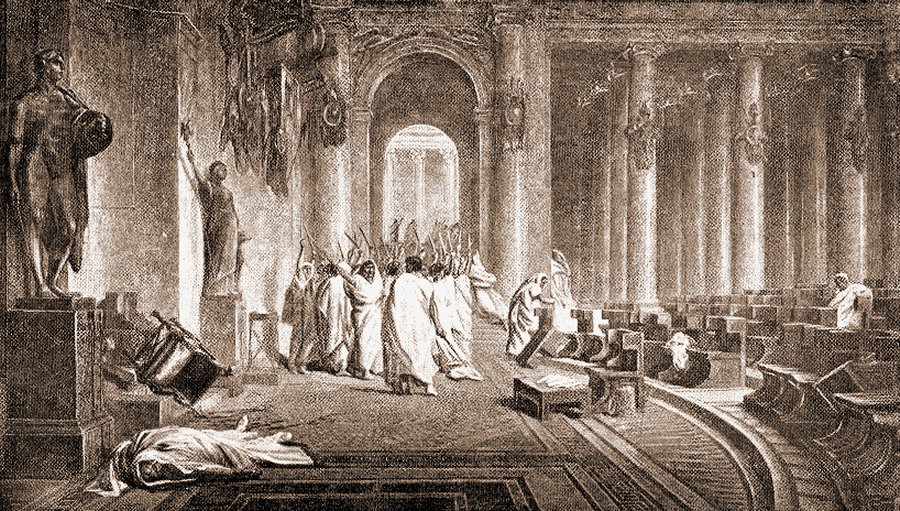
Assassination of Julius Caesar

On This Day In History: Julius Caesar Assassinated – On Mar 15, 44 BC

MessageToEagle.com – On March 15, 44 BC., Roman Dictator Julius Caesar was  assassinated, not in the Senate but in a meeting room adjacent to the Theatre of Pompey. The conspirators – Marcus Junius Brutus, Gaius Cassius Longinus, Decimus Junius Brutus and several other Roman senators – left Caesar’s body on the Senate floor, at the foot of

On This Day In History: Julius Caesar Assassinated – On Mar 15, 44 BC Read More »

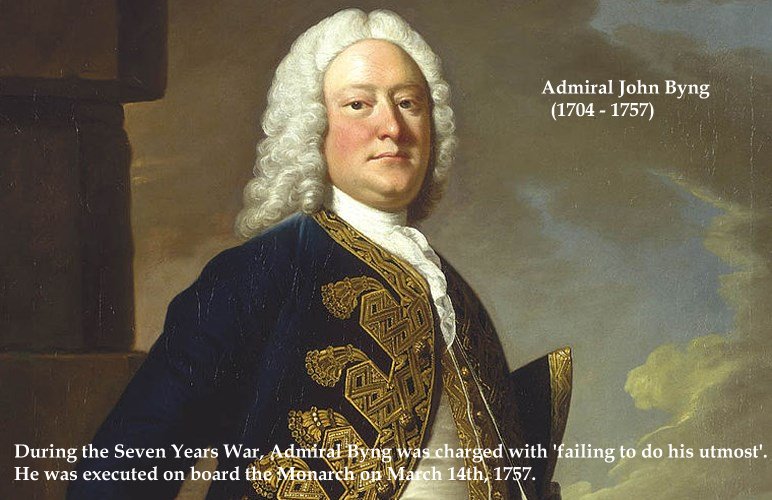
Admiral John Byng

On This Day In History: Admiral John Byng Charged With ‘Failing To Do His Utmost’ – Executed – On Mar 14, 1757

MessageToEagle.com – On March 14, 1757, John Byng, an admiral of the Royal Navy was executed by firing squad for neglect of duty. Byng was born on October 29, 1704, in Southill, Bedfordshire, the son of a prominent Royal Navy admiral. He entered the Royal Navy in 1718, and by 1745 had reached the rank of rear admiral. His

On This Day In History: Admiral John Byng Charged With ‘Failing To Do His Utmost’ – Executed – On Mar 14, 1757 Read More »

sculptures, building blocks and column stones were also found during construction works in the earthquake zone. AA photo

Huge Tunnels And Palace-Like Structure May Be Hidden Underground In Northwestern Turkey

MessageToEagle.com – Next month, excavation works will begin in the İzmit province’s Çukurbağ district, where archaeologists believe a huge ancient palace lies underground. During the removal of debris after the massive Marmara earthquake of August 1999, the remains of an ancient city along with a large number of historical artifacts were found underground, in northwestern Turkey,

Huge Tunnels And Palace-Like Structure May Be Hidden Underground In Northwestern Turkey Read More »

William Herschel and Uranus

On This Day In History: Astronomer Sir William Herschel Announces Discovery Of Uranus – On Mar 13, 1781

MessageTo Eagle.com – On March 13th, 1781, astronomer Sir Frederick William Herschel announced the discovery of the planet Uranus. Uranus wasn’t officially discovered until 1781. Ancient Babylonians knew about all of the planets from Mercury to Saturn long before that. Why did it take so long for people to find lonely Uranus? Actually, it wasn’t a

On This Day In History: Astronomer Sir William Herschel Announces Discovery Of Uranus – On Mar 13, 1781 Read More »

Evidently he built his first radio receiver, a lightning detector (1895), without knowledge of the contemporary work of the Italian inventor Guglielmo Marconi.

On This Day In History: First Wireless Transmission Of Morse Signals Sent – On Mar 12, 1896

MessageToEagle.com – On March 12, 1896, the first radiogram was sent by Russian physicist Alexander Stepanovich Popov. It traveled over 200 yards from one building of the St. Petersburg University to another and read “Heinrich Hertz” in Morse code. Popov, devoted to exploration of high frequency electrical phenomena, was a Russian physicist. He is celebrated in his homeland

On This Day In History: First Wireless Transmission Of Morse Signals Sent – On Mar 12, 1896 Read More »

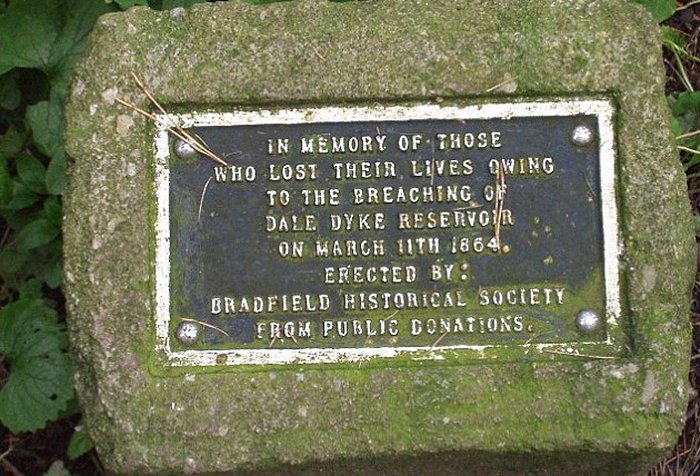
Local historians say the disaster was largely forgotten because its victims were northern and working-class. For years there was no memorial in central Sheffield with only a memorial stone near the dam. Photo via Mail Online

On This Day In History: Great Sheffield Flood – Largest Man-Made Disaster Happened In England – On Mar 11, 1864

MessageToEagle.com – On March 11, 1864, the so-called Great Sheffield Flood – the largest man-made disaster ever to befall England. This tragic accident was ‘largely forgotten because it killed northern ‘working-class people’ but we have to remember Sheffield’s terrible day – at least – today. A dam near Sheffield, England burst its reservoir and caused a flood that killed 244 people: additionally more

On This Day In History: Great Sheffield Flood – Largest Man-Made Disaster Happened In England – On Mar 11, 1864 Read More »

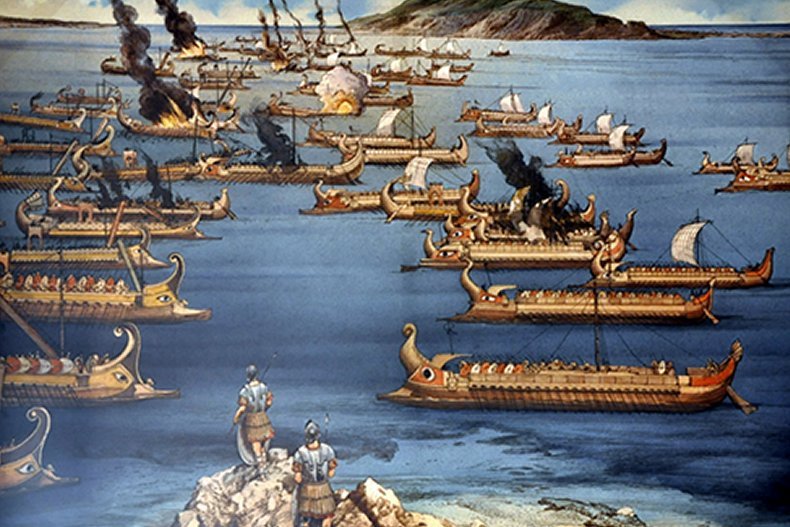
On March 10 241BC a huge naval battle took place off the coast of Sicily between the Romans and their archenemies the Carthaginians. It put an end to the First Punic War and set the Roman Republic on its militaristic path to becoming an Empire. Photo: RPMNF projects

On This Day In History: Battle Of The Egadi Islands Took Place – On Mar 10, 241 BC

MessageToEagle.com – On March 10, 241 BC, the Carthaginian relieving fleet was totally defeated near the Aegates Islands off western Sicily – the event is known as the Battle of the Egadi Islands. It was the final battle of the First Punic War in 241 BC. By the winter of 243/242 the Roman treasury is exhausted. However

On This Day In History: Battle Of The Egadi Islands Took Place – On Mar 10, 241 BC Read More »